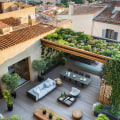
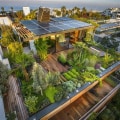
Rooftop garden design is an innovative approach to urban landscaping that transforms underutilized spaces into vibrant green retreats. These elevated gardens not only enhance the aesthetic appeal of buildings but also provide numerous environmental benefits, such as improving air quality, reducing heat absorption, and promoting biodiversity. As cities continue to grow, the need for green spaces becomes increasingly critical, making rooftop gardens a practical solution for both residential and commercial properties. Incorporating essential elements into your rooftop garden design is key to creating a harmonious and functional space. From selecting the right plants that can thrive in limited soil depth to ensuring proper irrigation systems, every detail matters.
Additionally, considering factors like sunlight exposure and wind patterns will help in choosing suitable materials and layouts. The integration of art and sculpture into these designs can elevate the overall experience, providing focal points that draw the eye and inspire creativity. As we explore the various ways to incorporate art and sculpture into rooftop garden design, it’s important to recognize how these elements can enhance not just the visual appeal but also the emotional connection people have with their surroundings. Art can serve as a conversation starter, a source of inspiration, or even a reflection of the community's identity. By thoughtfully integrating artistic elements, rooftop gardens can become more than just green spaces; they can transform into immersive environments that foster relaxation and social interaction.
The Role of Art in Outdoor Spaces
Incorporating art into rooftop garden design serves not only to beautify the space but also to create a unique atmosphere that resonates with the emotions of those who inhabit it.The presence of art can transform a simple garden into a vibrant sanctuary, offering both aesthetic pleasure and a sense of personal expression.
Importance of Art in Gardens
- Emotional Connection: Art has the power to evoke feelings and memories, making outdoor spaces more inviting. A carefully chosen sculpture or mural can serve as a focal point, drawing visitors in and encouraging them to engage with their surroundings.
- Aesthetic Enhancement: Artistic elements can complement the natural beauty of plants and flowers, creating a harmonious balance between nature and creativity. This synergy enhances the overall visual appeal of the rooftop garden.
- Personalization: Art allows for individual expression, enabling homeowners to reflect their personality and style. Whether it’s a modern abstract piece or a classic statue, these elements can make the garden feel uniquely theirs.
Benefits of Outdoor Art
- Inspiration: Art can inspire creativity and relaxation, providing a peaceful retreat from the hustle and bustle of urban life.
A rooftop garden adorned with art can become a source of inspiration for both residents and visitors.
- Social Interaction: Artistic installations can serve as conversation starters, encouraging social interaction among guests. This is particularly valuable in rooftop gardens designed for entertaining or community gatherings.
- Environmental Awareness: Incorporating eco-friendly art pieces made from recycled materials can promote sustainability and environmental consciousness, aligning with the values of many urban gardeners today.
Choosing the Right Art for Your Rooftop Garden
When it comes to rooftop garden design, selecting the right art can significantly enhance the aesthetic appeal and create a unique atmosphere. Here are some key considerations to keep in mind when choosing art for your rooftop garden.Types of Garden Sculptures
- Abstract Sculptures: These pieces can add a modern touch and serve as focal points.
Their unique shapes and forms can complement the natural elements of your garden.
- Figurative Sculptures: Statues of people, animals, or mythical creatures can bring a sense of storytelling to your space, inviting visitors to engage with the art.
- Functional Art: Consider incorporating pieces that serve a dual purpose, such as benches or planters that also function as sculptures.
Materials for Outdoor Art
The materials used in your chosen art pieces are crucial for ensuring longevity and durability in an outdoor setting. Here are some popular options:- Metal: Stainless steel and aluminum are excellent choices due to their resistance to rust and corrosion. They can withstand various weather conditions while maintaining their aesthetic appeal.
- Stone: Natural stone sculptures offer a timeless look and blend seamlessly with the garden environment. However, ensure they are sealed properly to prevent weathering.
- Wood: While wood can add warmth and texture, it requires treatment to resist moisture and pests.
Look for treated or naturally rot-resistant woods like teak or cedar.
Incorporating Sculptures into Your Design
Incorporating sculptures into your rooftop garden design can elevate the aesthetic appeal and create focal points that draw the eye.Here are some effective strategies for integrating sculptures into your garden:
- Placement Strategies: Consider the scale and proportion of your sculptures in relation to the surrounding plants and structures. A large sculpture can serve as a centerpiece, while smaller pieces can be used to accentuate specific areas. Position sculptures at varying heights to create visual interest and depth.
- Creating Pathways: Use sculptures to guide visitors through your rooftop garden. Placing them along pathways or at junctions can encourage exploration and provide a sense of direction.
- Framing Views: Position sculptures to frame views of the skyline or other scenic elements.
This not only enhances the overall design but also creates a harmonious connection between art and nature.
- Abstract Sculptures: These can add a modern touch and often serve as conversation starters.
- Nature-Inspired Pieces: Sculptures that mimic natural forms, like animals or plants, can seamlessly blend with your garden's theme.
- Functional Art: Consider sculptures that double as seating or planters, merging functionality with artistic expression.
Creating Focal Points with Art Installations
Incorporating art installations into your rooftop garden design can transform an ordinary space into a captivating oasis.Art serves as a powerful tool to create focal points, drawing the eye and enhancing the overall aesthetics of the garden. Here are some effective ways to integrate art into your rooftop garden:
- Statues and Sculptures: Large sculptures or statues can serve as striking focal points. Consider selecting pieces that resonate with the theme of your garden, whether it’s modern, classical, or abstract. Position them strategically to create visual interest from various angles.
- Wall Art: If your rooftop garden has walls or fences, consider using them as canvases for murals or hanging art.
This not only adds color but also utilizes vertical space effectively, making the garden feel more expansive.
- Functional Art: Incorporate art that serves a purpose, such as artistic benches or planters. These pieces can enhance usability while also contributing to the garden's aesthetic appeal.
- Water Features: Artistic water features, like fountains or ponds, can act as both a visual and auditory focal point. The sound of flowing water adds tranquility, while the design of the feature itself can be a work of art.
Additionally, think about how the art interacts with natural elements like plants and flowers; vibrant colors can complement lush greenery, while neutral tones can provide a calming contrast.Finally, lighting plays a crucial role in showcasing your art installations. Use spotlights or ambient lighting to highlight key pieces during the evening hours, creating an enchanting atmosphere that invites relaxation and contemplation.
Combining Nature and Art: Harmonious Design Tips
Incorporating art into your rooftop garden design can create a stunning visual experience that enhances the natural beauty of your plants. Here are some tips to achieve a harmonious blend of nature and art:- Choose a Focal Point: Select a striking piece of art, such as a sculpture or a large mural, to serve as the centerpiece of your garden. This focal point should complement the surrounding plants and create a sense of balance.
- Use Natural Materials: Opt for sculptures made from materials like stone, wood, or metal that can withstand outdoor conditions.
These materials often harmonize better with the natural elements in your garden.
- Incorporate Planters as Art: Consider using artistic planters that double as sculptures. Unique shapes and designs can add character while providing a home for your plants.
- Color Coordination: Ensure that the colors of your art pieces align with the hues of your plants. For instance, vibrant sculptures can pop against lush greenery, while muted tones can create a serene atmosphere.
- Layering Textures: Combine different textures by placing smooth sculptures next to rough stone or soft foliage. This contrast can enhance the visual interest of your rooftop garden.
- Interactive Elements: Incorporate art that invites interaction, such as wind chimes or kinetic sculptures.
These elements not only add beauty but also engage the senses, making your garden more inviting.
Seasonal Considerations for Outdoor Art
Incorporating art and sculpture into your rooftop garden design can elevate the aesthetic appeal of your space, but it’s essential to consider how seasonal changes affect these pieces. Proper care and protection are crucial for maintaining the beauty and integrity of outdoor art throughout the year.Seasonal Care for Outdoor Art
Each season presents unique challenges for outdoor sculptures and art installations. Here are some tips to ensure their longevity:- Spring: As temperatures rise, inspect your sculptures for any winter damage.
Clean them with a gentle soap solution to remove dirt and debris that may have accumulated.
- Summer: Protect your art from intense sunlight and heat. Consider using UV-resistant coatings on sculptures made from materials like metal or resin to prevent fading.
- Fall: Prepare your outdoor art for the colder months by removing any leaves or debris that can trap moisture. If possible, relocate delicate pieces indoors or cover them with breathable fabric to shield them from harsh weather.
- Winter: For sculptures exposed to snow and ice, ensure they are made from frost-resistant materials. Regularly brush off snow to prevent weight damage, and consider wrapping them in protective coverings during extreme cold.
Protecting Garden Sculptures
To further safeguard your outdoor art, consider the following strategies:- Placement: Position sculptures in areas that receive some shelter from harsh winds and direct sunlight.
This can help minimize wear and tear.
- Material Selection: Choose durable materials such as stone, metal, or treated wood that can withstand various weather conditions.
- Regular Maintenance: Schedule periodic checks to clean and assess the condition of your art pieces. Address any signs of wear promptly to prevent further damage.
Case Studies: Successful Rooftop Garden Designs Featuring Art
Incorporating art and sculpture into rooftop garden design can transform an ordinary space into a vibrant oasis. Here are some inspiring case studies that showcase successful rooftop gardens featuring artistic elements:- The High Line, New York City: This elevated park is renowned for its integration of art within a natural landscape.
Sculptures by renowned artists are strategically placed along the pathway, creating a dialogue between nature and creativity. The use of native plants alongside these installations enhances the overall aesthetic, making it a prime example of how art can elevate a rooftop garden.
- Sky Garden, London: Located atop the Walkie Talkie building, the Sky Garden features a stunning array of sculptures that complement its lush greenery. The design incorporates large-scale installations that draw visitors' attention while providing a unique backdrop for social gatherings. This rooftop garden exemplifies how art can serve both functional and decorative purposes.
- Rooftop Garden at the California Academy of Sciences: This innovative space includes interactive sculptures that engage visitors of all ages.
The garden not only showcases native Californian plants but also features art installations that educate about biodiversity and conservation. This approach demonstrates how art can enhance the educational aspect of a rooftop garden.
FAQs About Art in Rooftop Garden Design
Integrating art into rooftop garden design can elevate the aesthetic appeal and create a unique atmosphere. Here are some frequently asked questions regarding this integration:- What types of art can be used in a rooftop garden?
There are numerous options, including sculptures, murals, decorative planters, and even functional art like benches or trellises.Each piece can serve as a focal point or complement the natural elements of the garden.
- How do I choose the right art for my rooftop garden?
Consider the overall theme and style of your garden. For a modern look, opt for sleek, minimalist sculptures. If your garden has a more rustic feel, choose pieces made from natural materials like wood or stone. - Can I create my own art for the rooftop garden?
Absolutely! DIY projects can add a personal touch to your space. Consider creating painted pots, handmade sculptures, or even a mural on a wall to reflect your personality. - How do I ensure the durability of art in an outdoor setting?
Select materials that are weather-resistant, such as metal, treated wood, or stone.Additionally, consider using protective coatings to shield your artwork from the elements.
- Is it necessary to have art in a rooftop garden?
No, it’s not necessary, but incorporating art can enhance the visual interest and make the space more inviting. It can also serve as a conversation starter and reflect your personal style.