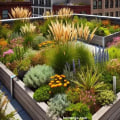
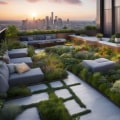
In the heart of bustling cities, where concrete and steel dominate the skyline, rooftop gardens emerge as a vital solution for enhancing urban living. These green spaces not only provide a sanctuary for residents but also play a crucial role in mitigating the heat island effect prevalent in urban environments. By incorporating rooftop garden design into architectural plans, buildings can benefit from natural cooling, improved air quality, and increased biodiversity. The benefits of rooftop gardens extend beyond aesthetics; they serve as a functional element that can significantly reduce energy costs. A well-designed rooftop garden can provide essential shade for the building below, lowering indoor temperatures and reducing reliance on air conditioning systems.
This not only leads to lower energy bills but also contributes to a more sustainable urban ecosystem. Moreover, rooftop gardens foster community engagement and promote urban gardening practices. They offer city dwellers an opportunity to connect with nature, grow their own food, and participate in local environmental initiatives. As cities continue to expand, understanding the principles of effective rooftop garden design becomes increasingly important for creating livable, green spaces that enhance both individual well-being and community resilience.
The Importance of Shade in Rooftop Garden Design
Incorporating shade into rooftop garden design is essential for several reasons, primarily focusing on energy efficiency and enhancing the overall comfort of the space. A well-designed rooftop garden can significantly reduce the heat absorbed by the building, leading to lower energy costs and a more sustainable environment.Energy Efficiency
- By providing shade, rooftop gardens can help lower indoor temperatures, reducing the need for air conditioning during hot months.
This not only saves energy but also decreases utility bills.
- Plants in a rooftop garden can act as natural insulators, helping to maintain a stable temperature within the building. This insulation effect is particularly beneficial in urban areas where heat islands are prevalent.
Temperature Regulation
The presence of shade in a rooftop garden contributes to better temperature regulation. During peak summer months, shaded areas can be significantly cooler than exposed surfaces. This temperature difference can create a more pleasant outdoor environment for residents and visitors alike, encouraging them to utilize these spaces more frequently.
Enhancing Outdoor Comfort
- Shaded areas in rooftop gardens provide comfortable spots for relaxation and social gatherings, making these spaces more inviting.
- Shade can also protect plants from excessive sun exposure, promoting healthier growth and extending the lifespan of the garden.
By prioritizing shade, designers can create functional and enjoyable rooftop spaces that benefit both the building and its occupants.
Key Elements of Rooftop Garden Design for Shade
Designing a rooftop garden to provide effective shade involves a thoughtful combination of plant selection, layout, and structural features. Each element plays a crucial role in maximizing shade while enhancing the aesthetic appeal of the space.Plant Selection
Choosing the right plants is essential for creating a shaded environment. Opt for deciduous trees that can provide ample shade during the summer months while allowing sunlight to filter through in the winter. Some excellent choices include:- Maple trees - Known for their broad canopies.
- Birch trees - Their lighter foliage allows for dappled sunlight.
- Fruit trees - Such as apple or cherry, which offer both shade and edible benefits.
Layout Considerations
The layout of your rooftop garden is equally important.Position taller plants and trees on the southern side of the garden to block direct sunlight from hitting the building. This strategic placement not only provides shade but also helps in cooling the building's interior. Consider creating a multi-level garden, where different heights of plants can work together to create a shaded oasis.
Shade Structures
Incorporating structural elements can further enhance the shading capabilities of your rooftop garden. Options include:- Pergolas - These can be adorned with climbing plants to create a natural canopy.
- Awnings - Retractable awnings can provide adjustable shade as needed.
- Trellises - Ideal for supporting vines that can grow over time to provide additional coverage.
Choosing the Right Plants for Shade and Aesthetics
When designing a rooftop garden, selecting the right plants is crucial for creating both shade and visual appeal.The ideal plants should not only provide adequate coverage but also thrive in the unique conditions of a rooftop environment.
Best Plants for Rooftop Gardens
- Shade Trees: Consider smaller varieties like Japanese Maple or Crabapple, which can provide significant shade without overwhelming the space.
- Vines: Climbing plants such as Wisteria or Clematis can be trained to grow on trellises, creating a natural canopy.
- Perennials: Plants like Hostas and Ferns not only thrive in shaded areas but also add lush greenery to your garden.
- Succulents: For a modern touch, consider varieties like Aloe Vera or Echeveria, which can tolerate some sun while providing texture.
Shade Plants for Optimal Coverage
Selecting plants that naturally grow in shaded environments is essential. Look for species that are known for their ability to thrive with limited sunlight. Some excellent options include:- Astilbe: This perennial produces feathery plumes and thrives in partial to full shade.
- Lungwort: With its attractive foliage and flowers, it’s perfect for adding color to shaded areas.
- Japanese Forest Grass: This ornamental grass adds movement and texture while thriving in low-light conditions.
Plant Selection Tips
When choosing plants for your rooftop garden, consider the following tips:- Assess Sunlight: Determine how much sunlight your rooftop receives throughout the day to select appropriate plants.
- Consider Wind Exposure: Rooftops can be windy; choose sturdy plants that can withstand gusts.
- Diversity is Key: Incorporate a mix of plant types to create a dynamic and resilient garden.
- Aesthetics Matter: Choose plants with varying heights, colors, and textures to enhance visual interest.
Incorporating Shade Structures in Rooftop Gardens
When designing a rooftop garden, incorporating effective shade structures is essential for enhancing comfort and usability. These structures not only provide relief from the sun but also contribute to the aesthetic appeal of the garden.Here are some popular options to consider:
- Pergolas: A pergola is a classic choice for rooftop gardens. It consists of vertical posts or pillars that support crossbeams and open lattice. This design allows for partial shade while still letting in light and air. Climbing plants can be trained to grow over the pergola, creating a natural canopy that enhances the shaded area.
- Awnings: Awnings are versatile and can be installed over seating areas or pathways in the rooftop garden.
They come in various materials, including fabric and metal, and can be retractable, allowing for flexibility based on weather conditions. Awnings provide excellent protection from direct sunlight while adding a modern touch to the garden.
- Shade Sails: Shade sails are an innovative option that can be easily installed in various configurations. Made from durable, UV-resistant fabric, they can be stretched between poles or attached to existing structures. Their unique shapes not only provide shade but also create visual interest in the garden.
- Green Roof Overhangs: If your rooftop garden is part of a larger building design, consider incorporating green roof overhangs.
These extensions can provide natural shade to lower levels while also enhancing insulation and reducing heat absorption.
Designing Layouts for Maximum Shade Coverage
When it comes to rooftop garden design, creating a layout that maximizes shade coverage is essential for enhancing comfort and energy efficiency. A well-planned rooftop garden can significantly reduce heat absorption by the building, thus lowering cooling costs and improving the overall environment.To achieve optimal shade, consider the following design strategies:- Layered Planting: Utilize a mix of tall trees, medium shrubs, and low-lying plants.
This layering not only creates visual interest but also ensures that taller plants provide shade for shorter ones, maximizing coverage throughout the day.
- Strategic Placement: Position larger plants and trees on the southern and western edges of the rooftop. This placement will block the sun during peak hours, providing shade to the building's exterior and reducing heat gain.
- Use of Pergolas and Trellises: Incorporate structures like pergolas or trellises adorned with climbing plants. These features can create shaded areas while adding vertical interest to your garden. Consider using materials that allow for partial sunlight to filter through, creating dappled shade.
- Seasonal Considerations: Choose deciduous trees that provide ample shade in summer while allowing sunlight to penetrate in winter.
This seasonal variation can help maintain a comfortable temperature year-round.
Sustainable Practices in Rooftop Garden Design
Incorporating sustainable practices into rooftop garden design not only enhances the aesthetic appeal of a building but also significantly contributes to environmental sustainability. By focusing on eco-friendly methods, designers can create green roofs that provide essential shade while promoting biodiversity and reducing urban heat.One effective approach is to select native and drought-resistant plants.These species are well-adapted to local climates and require less water, making them ideal for rooftop gardens. By minimizing irrigation needs, these plants help conserve water resources and reduce the overall maintenance required for the garden.
Utilizing Green Roof Technology
Implementing green roof technology is another sustainable practice that can enhance rooftop garden design. This involves creating a layered system that includes a waterproof membrane, drainage layer, and growing medium. Such systems not only support plant growth but also improve insulation, reducing energy costs for heating and cooling the building.Incorporating Shade Structures
To maximize shade provision, consider integrating shade structures such as pergolas or trellises within the garden design.These structures can support climbing plants, which will create additional shaded areas while enhancing the visual appeal of the rooftop. Moreover, strategically placed shade structures can help lower indoor temperatures, further contributing to energy efficiency.
Promoting Biodiversity
A well-designed rooftop garden can serve as a habitat for various species, promoting urban biodiversity. Incorporating a mix of flowering plants, shrubs, and grasses can attract pollinators like bees and butterflies, which are crucial for maintaining healthy ecosystems. This biodiversity not only enriches the garden but also contributes to the overall health of the urban environment.Finally, utilizing recycled materials in the construction of planters and pathways can further enhance the sustainability of rooftop gardens.By repurposing materials, designers can reduce waste and lower the carbon footprint associated with new construction.In conclusion, by integrating these sustainable gardening practices, rooftop gardens can effectively provide shade while contributing positively to the environment. The combination of native plants, green roof technology, shade structures, biodiversity promotion, and recycled materials creates a holistic approach to eco-friendly rooftop gardens.
Case Studies: Successful Rooftop Gardens Providing Shade
Rooftop gardens have gained popularity not only for their aesthetic appeal but also for their ability to provide shade and reduce heat absorption in urban environments. Here are some notable case studies that exemplify successful rooftop garden designs focused on shading:1.The High Line, New York City
The High Line is a prime example of an elevated park that incorporates extensive greenery to create shaded areas. This former railway line has been transformed into a public space featuring a variety of plants and trees that provide natural shade.The design utilizes a mix of native species and carefully selected trees, which not only offer cooling effects but also enhance biodiversity.
2.Bosco Verticale, Milan
This innovative residential complex features two towers adorned with over 9,000 trees and 20,000 plants. The vertical gardens not only serve as a stunning visual element but also provide significant shade to the building's exterior. The design effectively reduces heat gain while improving air quality, showcasing how rooftop garden design can be integrated into high-rise architecture.3.The Edge, Amsterdam
The Edge is known as one of the greenest office buildings in the world, featuring a rooftop garden that plays a crucial role in temperature regulation. The garden includes large overhangs and trellises covered with climbing plants that create shaded areas for employees to enjoy during breaks.This design not only enhances comfort but also contributes to energy efficiency by reducing the need for air conditioning.
4.Chicago City Hall Rooftop Garden
The rooftop garden atop Chicago's City Hall is another exemplary case where shade is a primary focus. This garden features a variety of plant species that thrive in the local climate, providing ample shade for the building below. The green roof has been shown to lower temperatures significantly, demonstrating the effectiveness of shaded gardens in urban settings.These case studies illustrate that thoughtful rooftop garden design can lead to successful outcomes in providing shade while enhancing the overall environment. By incorporating native plants, strategic layouts, and innovative structures, urban planners and architects can create sustainable spaces that benefit both buildings and their occupants.FAQs About Rooftop Garden Design and Shade Provisioning
When considering rooftop garden design, many homeowners and architects have questions about how to effectively provide shade for the building below.Here are some frequently asked questions that can help clarify this important aspect of rooftop gardening.
What are the best plants for providing shade in a rooftop garden?
Choosing the right plants is crucial for creating a shaded area. Some of the best options include:- Trees: Dwarf varieties of trees such as Japanese Maple or Crabapple can provide significant shade without overwhelming the space.
- Trellises: Climbing plants like Wisteria or Clematis can be trained to grow on trellises, creating vertical shade.
- Large shrubs: Plants such as Boxwood or Hydrangeas can also contribute to shade while adding greenery.
How can I incorporate structures for additional shade?
In addition to plants, consider integrating structures that enhance shade provision:- Pergolas: These can be covered with climbing plants or fabric to create a shaded area.
- Awnings: Installing awnings over seating areas can provide immediate relief from direct sunlight.
- Sails: Shade sails are a modern solution that can be easily adjusted and provide flexible shading options.
What are some tips for maximizing shade in a rooftop garden?
To ensure your rooftop garden effectively provides shade, consider these tips:- Plan for orientation: Position taller plants and structures on the south side to block the sun's rays during peak hours.
- Select appropriate materials: Use light-colored materials for hardscaping to reflect heat and reduce overall temperature.
- Create layers: Incorporate varying heights of plants and structures to create a more dynamic and shaded environment.
Conclusion: Key Takeaways for Designing Shaded Rooftop Gardens
In conclusion, designing a rooftop garden that effectively provides shade for the building requires careful consideration of various elements. Here are the key takeaways to keep in mind:- Plant Selection: Choose a mix of deciduous trees and shrubs that can provide ample shade during the warmer months while allowing sunlight to penetrate in the winter. Native plants are often more resilient and require less maintenance.
- Layering and Height Variation: Incorporate plants of varying heights to create a multi-dimensional space.
Taller plants can block direct sunlight, while lower plants can fill in gaps and enhance the aesthetic appeal.
- Structural Elements: Consider adding pergolas, awnings, or shade sails to provide additional coverage. These structures can be designed to complement the garden's overall aesthetic while maximizing shade.
- Orientation and Layout: Analyze the building's orientation and the sun's path to strategically place plants and structures. This will ensure that shaded areas are maximized during peak sunlight hours.
- Sustainable Practices: Implementing sustainable practices such as rainwater harvesting and using organic materials can enhance the garden's functionality while reducing environmental impact.