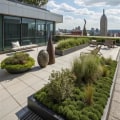
Rooftop garden design is an innovative approach to urban gardening that transforms underutilized spaces into vibrant green areas. As cities continue to grow and the demand for sustainable living increases, rooftop gardens offer a unique solution to enhance urban environments. These gardens not only provide aesthetic appeal but also contribute significantly to environmental benefits, such as improved air quality, reduced heat island effect, and enhanced biodiversity. One of the most exciting aspects of rooftop garden design is the incorporation of vertical gardening. This technique allows gardeners to maximize limited space by growing plants upwards rather than outwards.
Vertical gardens can be created using a variety of structures, including trellises, wall-mounted planters, and modular systems that support a diverse range of plants. By integrating vertical gardening into rooftop designs, you can create lush, green walls that not only beautify the space but also provide additional insulation and soundproofing. The benefits of rooftop gardens extend beyond aesthetics; they also promote mental well-being and community engagement. A well-designed rooftop garden can serve as a peaceful retreat for residents, offering a space for relaxation and social interaction. Furthermore, incorporating vertical gardening elements can enhance these benefits by creating dynamic visual interest and encouraging biodiversity.
As you explore the possibilities of rooftop garden design, consider how vertical gardening can elevate your project and contribute to a greener, more sustainable urban landscape.
Benefits of Vertical Gardening in Rooftop Gardens
Incorporating vertical gardening into rooftop garden design offers numerous benefits that enhance both the functionality and aesthetics of urban spaces. Here are some key advantages:- Space Optimization: Vertical gardening allows for the efficient use of limited space. By growing plants upwards rather than outwards, you can maximize your planting area, making it possible to cultivate a diverse range of plants even in small rooftop gardens.
- Aesthetic Appeal: A well-designed vertical garden can serve as a stunning focal point in your rooftop garden. The lush greenery and vibrant colors of plants can transform an otherwise plain wall or structure into a visually appealing landscape, enhancing the overall beauty of your outdoor space.
- Improved Air Quality: Plants naturally filter pollutants and produce oxygen, contributing to better air quality.
Vertical gardens can help mitigate urban pollution, making your rooftop not only a beautiful retreat but also a healthier environment.
- Temperature Regulation: Vertical gardens can help insulate buildings by reducing heat absorption. This can lead to lower energy costs for cooling during hot months, making your rooftop garden an eco-friendly choice.
- Biodiversity Support: By incorporating various plant species in a vertical garden, you can create habitats for birds, butterflies, and beneficial insects. This promotes biodiversity and contributes to a healthier ecosystem in urban areas.
Designing Your Vertical Garden: Key Considerations
When planning a rooftop garden design that incorporates vertical gardening, several key considerations must be taken into account to ensure both aesthetic appeal and structural integrity.Structural Support
Before you begin your vertical garden, assess the structural support of your rooftop.Vertical gardens can be heavy, especially when watered, so it’s crucial to consult with a structural engineer to confirm that your rooftop can handle the additional weight. Consider using lightweight materials for your vertical garden systems, such as modular planters or trellises made from aluminum or plastic.
Sunlight Exposure
Another important factor in rooftop garden planning is understanding the sunlight exposure of your space. Different plants have varying light requirements, so observe how sunlight moves across your rooftop throughout the day. Ideally, choose a mix of plants that thrive in both full sun and partial shade to create a diverse and resilient vertical garden.Plant Selection
Selecting the right plants is essential for a successful vertical garden.Opt for drought-resistant species if you live in a hot climate, as they will require less maintenance and water. Herbs like basil and thyme, as well as flowering plants such as petunias and nasturtiums, can add both beauty and functionality to your design. Additionally, consider incorporating climbing plants like vines, which can enhance verticality and create a lush green wall effect.
Irrigation Systems
A well-planned irrigation system is vital for maintaining your vertical garden. Drip irrigation systems are particularly effective for rooftop gardens, as they deliver water directly to the roots while minimizing waste.Ensure that your system is easy to access for maintenance and adjustments.By carefully considering these factors—structural support, sunlight exposure, plant selection, and irrigation—you can create a thriving vertical garden that enhances your rooftop garden design, providing both beauty and functionality in an urban environment.
Types of Vertical Gardening Systems for Rooftops
Incorporating vertical gardening into your rooftop garden design can maximize space and enhance the aesthetic appeal of your outdoor area. Here are some popular types of vertical gardening systems that are particularly well-suited for rooftops:- Living Walls: Also known as green walls, these systems consist of panels that support a variety of plants. They can be installed on any vertical surface, making them ideal for limited rooftop space. Living walls not only provide a lush backdrop but also improve air quality and insulation.
- Trellises: A classic option for vertical gardening, trellises can support climbing plants such as beans, peas, and flowering vines.
They can be made from wood, metal, or even repurposed materials, allowing for customization in your rooftop garden design.
- Modular Planters: These are pre-fabricated units that can be stacked or arranged in various configurations. Modular planters are versatile and can accommodate a range of plants, from herbs to ornamental flowers. They are easy to install and can be rearranged as needed.
- Pocket Gardens: These systems utilize fabric pockets or pouches that hang on a wall or frame. They are perfect for small spaces and can be filled with herbs, succulents, or small flowering plants.
Pocket gardens add a unique texture to your rooftop while being lightweight and easy to maintain.
- Vertical Hydroponic Systems: For those interested in soilless gardening, hydroponic systems allow you to grow plants in nutrient-rich water. These systems can be designed vertically to save space and are particularly effective for growing leafy greens and herbs.
Choosing the Right Plants for Your Vertical Rooftop Garden
When designing a rooftop garden with vertical elements, selecting the right plants is crucial for both aesthetics and functionality. The best plants for vertical gardens should be chosen based on several factors, including climate, maintenance needs, and visual appeal.Consider Your Climate
Understanding your local climate is essential when selecting plants for your vertical rooftop garden.For instance, if you live in a hot and dry area, consider drought-resistant plants such as:
- Sedum
- Agave
- Lavender
- Succulents
- Pansies
- Heuchera
- Ferns
- Hostas
Maintenance Needs
Another important consideration is the maintenance requirements of the plants. If you prefer a low-maintenance garden, choose plants that are resilient and require minimal care. Some excellent options include:- Ornamental grasses
- Perennials, such as coneflowers and black-eyed Susans
- Trellis-friendly vines, like clematis or climbing roses
Aesthetic Appeal
The visual impact of your rooftop garden can be enhanced by selecting a mix of colors, textures, and heights. Incorporate a variety of plants to create an eye-catching display.Consider using:
- Trailing plants, such as ivy or string of pearls, to cascade down from vertical structures.
- Bushy plants, like boxwood or dwarf hydrangeas, to provide fullness.
- Flowering plants, such as petunias or geraniums, to add vibrant colors throughout the seasons.
Irrigation and Maintenance Strategies for Vertical Gardens
Incorporating vertical gardens into your rooftop garden design not only maximizes space but also enhances the aesthetic appeal of your outdoor area. However, effective irrigation and maintenance strategies are crucial for ensuring the health and longevity of these gardens.Irrigation Systems for Vertical Gardens
One of the most important aspects of maintaining a vertical garden is implementing an efficient irrigation system. Here are some popular options:- Drip Irrigation: This system delivers water directly to the roots of plants, minimizing water waste and ensuring that each plant receives adequate moisture.
- Self-Watering Systems: These systems use a reservoir to provide a consistent supply of water, reducing the frequency of manual watering and helping to maintain optimal soil moisture levels.
- Sprinkler Systems: For larger vertical gardens, a timed sprinkler system can be effective. However, care must be taken to ensure that water reaches all areas evenly.
Maintenance Strategies
Caring for your vertical garden involves regular maintenance tasks that help keep plants healthy and thriving.Consider the following strategies:
- Regular Pruning: Trim back overgrown plants to promote healthy growth and prevent overcrowding, which can lead to disease.
- Pest Management: Regularly inspect your plants for signs of pests or disease. Use organic pest control methods whenever possible to protect both your plants and the environment.
- Nutrient Management: Fertilize your vertical garden with organic fertilizers to provide essential nutrients. Consider using slow-release fertilizers to ensure a steady supply over time.
- Seasonal Adjustments: Be prepared to adjust your irrigation schedule based on seasonal changes. During hotter months, plants may require more frequent watering.
Incorporating Vertical Gardening into Existing Rooftop Designs
Integrating vertical gardening into your existing rooftop garden design can significantly enhance its aesthetic appeal and functionality.Here are some practical tips to help you modify your rooftop garden without extensive renovations:
- Utilize Wall Space: Identify walls or fences in your rooftop garden that can serve as a backdrop for vertical gardens. Installing trellises or wall-mounted planters can create a stunning green wall effect.
- Choose the Right Plants: Select plants that thrive in vertical settings, such as climbing vines, succulents, or herbs. Consider using a mix of foliage and flowering plants to add color and texture.
- Incorporate Vertical Planters: Use modular vertical planters that can be easily attached to existing structures. These planters come in various designs and materials, allowing you to customize your rooftop garden's look.
- Install Hanging Gardens: Consider hanging pots or baskets from overhead structures like pergolas or beams.
This not only saves space but also adds depth to your garden design.
- Create a Vertical Herb Garden: If you enjoy cooking, dedicate a section of your rooftop to a vertical herb garden. This can be achieved with wall-mounted planters or tiered shelving units, making fresh herbs easily accessible.
Case Studies: Successful Rooftop Vertical Gardens
Rooftop gardens have gained popularity not only for their aesthetic appeal but also for their ability to enhance urban environments. Here are some inspiring case studies of successful rooftop vertical gardens that showcase innovative designs and practical applications.1.The High Line, New York City
The High Line is a prime example of a transformed urban space that incorporates vertical gardening.This elevated park features a variety of native plants and vertical installations that create a lush environment amidst the concrete jungle. The design emphasizes biodiversity and sustainability, making it a model for future rooftop gardens.
2.Bosco Verticale, Milan
Known as the "Vertical Forest," Bosco Verticale consists of two residential towers adorned with over 9,000 trees and 20,000 plants. This project not only provides stunning views but also improves air quality and reduces energy consumption. It serves as an excellent example of how vertical gardening can be integrated into residential architecture.3.The Edge, Amsterdam
The Edge is one of the greenest office buildings in the world, featuring a rooftop garden that utilizes vertical planting systems.This design maximizes space while providing employees with access to nature, promoting well-being and productivity. The integration of technology with nature in this rooftop garden sets a benchmark for future commercial designs.
4.One Central Park, Sydney
This residential complex features vertical gardens designed by renowned architect Frank Gehry. The lush greenery not only enhances the building's aesthetics but also contributes to thermal insulation and biodiversity. One Central Park exemplifies how rooftop garden design can harmonize with urban living.5.The Spheres, Seattle
The Spheres at Amazon's headquarters incorporate a unique blend of vertical gardens within their glass domes.These biodomes house over 40,000 plants from around the world, creating an immersive experience for employees and visitors alike. This project highlights the potential of vertical gardening in creating biophilic spaces in corporate environments.These case studies illustrate the versatility and benefits of incorporating vertical gardening into rooftop garden designs. By drawing inspiration from these successful examples, urban dwellers can create their own green sanctuaries that contribute positively to their surroundings.
FAQs About Vertical Gardening in Rooftop Gardens
Vertical gardening is an innovative approach that can significantly enhance your rooftop garden design. Here are some frequently asked questions that can help clarify common concerns and misconceptions about incorporating vertical gardens into your rooftop space.What is vertical gardening?
Vertical gardening involves growing plants on vertical surfaces, such as walls, trellises, or specially designed structures.This method maximizes space and can create a stunning visual impact in a rooftop garden.
How can I start a vertical garden on my rooftop?
- Choose the right location: Ensure your vertical garden receives adequate sunlight and is sheltered from strong winds.
- Select suitable plants: Opt for plants that thrive in vertical settings, such as herbs, succulents, or climbing vines.
- Use appropriate materials: Consider using lightweight planters or wall-mounted systems to reduce the load on your rooftop.
What are the benefits of vertical gardening in rooftop designs?
- Space efficiency: Vertical gardens allow you to grow more plants in limited space.
- Aesthetic appeal: They add visual interest and can transform an ordinary rooftop into a lush oasis.
- Improved air quality: Plants help filter pollutants and improve overall air quality in urban environments.
Are there any challenges to consider?
While vertical gardening offers many benefits, there are challenges to keep in mind:- Watering: Vertical gardens may require more frequent watering due to drainage issues. Consider installing a drip irrigation system for efficiency.
- Weight considerations: Ensure your rooftop can support the weight of soil and plants. Consult with a structural engineer if necessary.