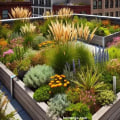
Rooftop gardens are rapidly gaining popularity as a sustainable solution for urban living, offering a myriad of benefits that extend beyond mere aesthetics. These green spaces not only enhance the visual appeal of buildings but also play a crucial role in improving energy efficiency. By strategically designing a rooftop garden, property owners can create a natural barrier that provides shade, thereby reducing the heat absorbed by the building below. This innovative approach to rooftop garden design is essential for minimizing energy costs associated with cooling systems. The benefits of rooftop gardens are multifaceted.
They contribute to improved air quality, promote biodiversity, and even provide space for urban agriculture. However, one of the most compelling reasons to invest in a rooftop garden is its potential to significantly lower energy expenses. By incorporating plants that thrive in local climates and utilizing design elements that maximize shade, these gardens can effectively reduce the need for air conditioning during hot months. This not only leads to lower utility bills but also decreases the overall carbon footprint of the building. As we delve deeper into the specifics of rooftop garden design, it becomes clear that thoughtful planning and execution are key to achieving optimal results.
From selecting the right plant species to implementing efficient irrigation systems, every aspect of the garden can contribute to its effectiveness in providing shade and enhancing energy efficiency. Understanding these principles will empower building owners and designers to create rooftop gardens that are not only beautiful but also functional and cost-effective.
The Importance of Shade in Urban Environments
Urban areas are increasingly facing the urban heat island effect, a phenomenon where cities experience significantly higher temperatures than their rural surroundings. This effect is primarily due to human activities, extensive concrete surfaces, and a lack of vegetation. As a result, buildings and streets absorb and retain heat, leading to increased energy consumption for cooling and a decline in overall air quality.One effective strategy to combat this issue is through the implementation of rooftop garden design.By incorporating green spaces on rooftops, we can create shaded areas that not only enhance the aesthetic appeal of buildings but also provide substantial cooling benefits. The presence of plants plays a crucial role in reducing ambient temperatures through a process known as evapotranspiration, where moisture is released from the soil and plant leaves into the atmosphere, resulting in a cooling effect.Moreover, shaded areas created by rooftop gardens can significantly lower the temperature of surrounding surfaces. This reduction in heat absorption leads to decreased reliance on air conditioning systems, ultimately lowering energy costs for building owners. In fact, studies have shown that buildings with green roofs can experience energy savings of up to 25% during peak summer months.In addition to energy savings, the benefits of shade extend beyond mere temperature control.
Shaded environments contribute to improved comfort for residents and workers, encouraging outdoor activities and enhancing overall well-being. Furthermore, these green spaces can help mitigate stormwater runoff by absorbing rainwater, thus reducing the risk of flooding in urban areas.In conclusion, integrating rooftop gardens into urban architecture is not just an aesthetic choice; it is a vital component in addressing the challenges posed by the urban heat island effect. By providing shade and promoting cooling through plant life, rooftop gardens can play a significant role in creating more sustainable and livable urban environments.
Key Elements of Rooftop Garden Design for Shade
Designing a rooftop garden that effectively provides shade and reduces energy costs involves several key elements. By carefully selecting plants, considering layout, and incorporating structural features, you can create a sustainable and functional space.Plant Selection
Choosing the right shade-providing plants is crucial for maximizing the cooling benefits of your rooftop garden.Opt for species that have broad leaves and dense canopies, as they will provide more shade. Some excellent options include:
- Deciduous trees: These trees lose their leaves in winter, allowing sunlight to warm the building during colder months while providing shade in summer.
- Trellis plants: Vines such as wisteria or grapevines can be trained to grow on trellises, creating vertical shade.
- Perennials: Plants like hostas and ferns not only add greenery but also help cool the air through transpiration.
Garden Layout Considerations
The layout of your rooftop garden plays a significant role in its shading effectiveness. Here are some tips to consider:- Layering plants: Use a tiered approach by placing taller plants at the back and shorter ones in front. This arrangement maximizes sunlight interception.
- Strategic placement: Position larger plants or structures on the south and west sides of the roof to block the most intense afternoon sun.
- Pathways and seating areas: Designate shaded areas for relaxation or socializing, ensuring that these spaces are comfortably cool during peak sun hours.
Structural Features for Enhanced Shading
Incorporating structural elements can further enhance the shading capabilities of your rooftop garden:- Pergolas and awnings: These structures can provide immediate shade while allowing for climbing plants to grow over them, creating a natural canopy.
- Green roofs: Installing a green roof system with soil and vegetation can significantly lower surface temperatures, contributing to overall energy efficiency.
- Shade sails: These fabric structures can be installed to create flexible shading options that can be adjusted based on the sun's position.
Choosing the Right Plants for Energy Efficiency
When designing a rooftop garden aimed at enhancing energy efficiency, the selection of plants plays a crucial role.The right plants can provide shade, reduce heat absorption, and ultimately lower energy costs for the building. Here are some key criteria to consider when selecting plants for your rooftop garden:
- Climate Adaptability: Choose plants that thrive in your local climate. Native species are often the best choice as they are adapted to local weather conditions and require less maintenance.
- Shade Provision: Select plants that can grow tall or spread wide enough to provide adequate shade over the building. Trees and large shrubs can significantly reduce heat gain.
- Root Structure: Consider the root systems of the plants.
Shallow-rooted species are preferable for rooftop gardens to avoid damaging the building structure.
- Water Efficiency: Opt for drought-resistant plants that require less irrigation, which is essential for sustainability and reducing water costs.
- Seasonal Interest: Incorporate a mix of evergreen and deciduous plants to ensure year-round greenery while maximizing summer shade and allowing sunlight in during winter months.
- Red Maple (Acer rubrum): This tree provides excellent shade and is adaptable to various soil types.
- Eastern Red Cedar (Juniperus virginiana): A hardy evergreen that offers year-round coverage and requires minimal maintenance.
- Sedum species: These succulent plants are drought-tolerant and can thrive in poor soil conditions, making them ideal for green roofs.
- Lavender (Lavandula): Not only does it provide fragrance, but it also attracts pollinators while being water-efficient.
- Perennial Grasses: Varieties like Blue Fescue (Festuca glauca) can add texture and help with soil stabilization.
Incorporating Hardscapes and Structures for Maximum Shade
Incorporating hardscapes and structures into your rooftop garden design is essential for maximizing shade and enhancing the overall functionality of the space. These elements not only provide relief from the sun but also contribute to the aesthetic appeal of the garden.Pergolas
are a popular choice for creating shaded areas in rooftop gardens. They consist of vertical posts or pillars that support crossbeams and open lattice, allowing for partial sunlight while providing a framework for climbing plants. This combination can create a beautiful, shaded retreat that cools the surrounding area through evapotranspiration.Trellises
serve a similar purpose, offering vertical support for vines and other climbing plants.By strategically placing trellises around seating areas or pathways, you can create natural shade that enhances comfort while also adding greenery to the space. The use of climbing plants such as jasmine or wisteria can further enhance the cooling effect, as they provide additional foliage to block sunlight.In addition to these structures, incorporating hardscapes like stone pathways, patios, or raised beds can help define areas within the rooftop garden. These elements can be designed to absorb heat during the day and release it at night, contributing to a more stable temperature in the garden. Furthermore, using materials with high thermal mass can help mitigate heat buildup, reducing the overall energy costs associated with cooling the building.When designing your rooftop garden, consider integrating shade sails or awnings as well.
These flexible structures can be adjusted according to the sun's position throughout the day, providing customizable shade options that enhance comfort without obstructing views.Ultimately, a thoughtful combination of hardscapes, pergolas, and trellises will not only create inviting shaded areas but also contribute to energy efficiency by reducing heat absorption in your building. This holistic approach to rooftop garden design ensures that your outdoor space is both functional and visually appealing.
The Role of Irrigation in Rooftop Garden Design
Effective irrigation systems are crucial for the success of any rooftop garden design. Given the unique challenges posed by elevated environments, such as increased exposure to sunlight and wind, a well-planned irrigation strategy can significantly enhance plant health while promoting water conservation.There are several types of irrigation systems that can be employed in rooftop gardens:- Drip Irrigation: This method delivers water directly to the plant roots through a network of tubing and emitters. It minimizes water waste and ensures that plants receive a consistent moisture level.
- Soaker Hoses: These porous hoses allow water to seep out slowly along their length, providing an efficient way to irrigate garden beds without excessive runoff.
- Sprinkler Systems: While less efficient than drip systems, modern sprinkler systems can be programmed to operate during cooler parts of the day, reducing evaporation and conserving water.
Here are some strategies to consider:
- Rainwater Harvesting: Collecting rainwater from the rooftop can provide a sustainable water source for your garden. This not only conserves municipal water but also reduces runoff.
- Soil Moisture Sensors: Installing sensors can help monitor soil moisture levels, ensuring that watering occurs only when necessary. This prevents overwatering and promotes healthier root systems.
- Mulching: Applying a layer of mulch around plants helps retain soil moisture, reducing the frequency of irrigation needed.
Case Studies: Successful Rooftop Garden Designs
Rooftop gardens have emerged as innovative solutions for urban environments, providing not only aesthetic appeal but also functional benefits such as shade and energy cost reduction.Here are some notable case studies that exemplify successful rooftop garden designs.
1.The Chicago City Hall Rooftop Garden
One of the pioneering examples of a rooftop garden is the Chicago City Hall, which features a green roof that covers approximately 20,300 square feet. This garden not only provides shade to the building but also helps in reducing the urban heat island effect. The design incorporates a variety of native plants that require minimal irrigation, thus lowering water usage and energy costs associated with cooling.2.The Bosco Verticale in Milan
The Bosco Verticale, or Vertical Forest, consists of two residential towers adorned with over 9,000 trees and 20,000 plants. This innovative design not only enhances the aesthetic value of the buildings but also significantly reduces energy consumption by providing natural insulation and shade.The vertical gardens help to lower indoor temperatures, thereby decreasing reliance on air conditioning.
3.The Green Roof at the California Academy of Sciences
The California Academy of Sciences in San Francisco features a stunning green roof that blends seamlessly with its surroundings. This rooftop garden is designed to capture rainwater and provide insulation, which contributes to a 30% reduction in energy costs. The use of native plants ensures that the garden thrives with minimal maintenance while offering educational opportunities for visitors.Lessons Learned
- Diversity of Plant Selection: Incorporating a variety of plants can enhance biodiversity and resilience against pests.
- Water Management: Efficient irrigation systems are crucial for sustainability and reducing water costs.
- Community Engagement: Involving local communities in the design and maintenance can foster a sense of ownership and responsibility.
Frequently Asked Questions about Rooftop Garden Design
When considering rooftop garden design, many questions arise regarding the practicalities and challenges involved.Here are some frequently asked questions that can help clarify these aspects:
- What are the primary benefits of a rooftop garden? Rooftop gardens provide numerous advantages, including improved insulation, reduced energy costs, and enhanced aesthetics. They can also contribute to urban biodiversity and improve air quality.
- How do I choose the right plants for my rooftop garden? Selecting plants that are well-suited for rooftop environments is crucial. Consider factors such as sun exposure, wind resistance, and weight limitations. Native plants or drought-resistant species are often ideal choices.
- What design challenges should I anticipate? Common challenges include ensuring proper drainage, managing weight loads, and addressing wind exposure.
It's essential to work with a professional who understands these factors to create a sustainable design.
- Can a rooftop garden really reduce energy costs? Yes, a well-designed rooftop garden can significantly lower energy costs by providing natural insulation. This reduces the need for heating in winter and cooling in summer, leading to lower utility bills.
- How do I maintain a rooftop garden? Regular maintenance is key to a thriving rooftop garden. This includes watering, weeding, and monitoring plant health. Implementing an irrigation system can simplify this process.
Conclusion: The Future of Rooftop Gardens in Energy Efficiency
In conclusion, the thoughtful design of rooftop gardens plays a pivotal role in enhancing energy efficiency for buildings.By strategically incorporating elements that provide shade and insulation, these green spaces not only contribute to aesthetic appeal but also significantly lower energy costs. As urban areas continue to expand, the importance of sustainable practices becomes increasingly evident. Rooftop gardens serve as a vital solution to combat the urban heat island effect, which can lead to higher temperatures and increased energy consumption. By utilizing plants that thrive in local climates, designers can create microclimates that cool surrounding areas and reduce reliance on air conditioning.
Key Benefits of Rooftop Garden Design
- Energy Savings: Properly designed rooftop gardens can lower indoor temperatures, reducing the need for cooling systems.
- Improved Air Quality: Plants filter pollutants and produce oxygen, contributing to a healthier urban environment.
- Stormwater Management: Green roofs absorb rainwater, decreasing runoff and alleviating pressure on drainage systems.
- Biodiversity Enhancement: Rooftop gardens provide habitats for various species, promoting urban biodiversity.
By investing in rooftop gardens today, we are not only enhancing our buildings but also paving the way for a greener, more energy-efficient tomorrow.