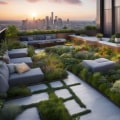
As urban areas continue to expand, the need for innovative solutions to incorporate green spaces has become increasingly vital.
Rooftop garden design
offers a unique opportunity to transform underutilized spaces into vibrant ecosystems that not only enhance the aesthetic appeal of buildings but also contribute significantly to environmental sustainability. By utilizing rooftops, we can create lush gardens that provide a sanctuary amidst the concrete jungle, promoting biodiversity and improving air quality. The benefits of rooftop gardens extend beyond mere aesthetics. They serve as effective insulation, reducing energy costs by keeping buildings cooler in the summer and warmer in the winter.Additionally, these green spaces can help manage stormwater runoff, mitigating flooding risks in urban settings. As cities grapple with climate change and urban heat islands, rooftop gardens emerge as a practical solution that addresses both ecological and social challenges. Moreover, the trend of urban gardening is gaining momentum as more city dwellers seek ways to reconnect with nature. Rooftop gardens not only provide fresh produce but also foster community engagement and well-being. They offer a space for relaxation, social interaction, and even educational opportunities about sustainable practices.
As we explore the various aspects of incorporating rooftop gardens into existing buildings, it becomes clear that these green oases are not just a luxury but a necessity for modern urban living.
Assessing Your Building's Structure for Rooftop Gardens
Incorporating a rooftop garden into an existing building requires a thorough assessment of the building's structure to ensure safety and feasibility. The first step is to evaluate the structural integrity of the roof. This involves examining the materials used in construction, the age of the building, and any previous renovations that may have altered its load-bearing capacity.1.Conduct a Structural Assessment
- Engage a qualified structural engineer to perform a detailed analysis of the roof's current condition.
- Check for any signs of damage, such as cracks, leaks, or sagging, which could indicate underlying issues.
- Assess the materials used in the roof's construction, as different materials have varying load capacities.
2.Evaluate Load-Bearing Capacity
The load-bearing capacity of your building is crucial when considering a rooftop garden design. A rooftop garden can add significant weight due to soil, plants, and water.
Here are some factors to consider:
- Soil Type: The type of soil used can greatly affect weight; lightweight soil alternatives may be necessary.
- Water Retention: Consider how much water your garden will retain and how this impacts overall weight.
- Plant Selection: Choose plants that are not only suitable for your climate but also lightweight.
3.Necessary Modifications
If your assessment reveals that your building cannot support a traditional rooftop garden, consider potential modifications:
- Reinforcement: Strengthening the existing structure may be necessary to accommodate additional weight.
- Lightweight Systems: Explore modular green roof systems designed for minimal weight impact.
- Drainage Solutions: Implement effective drainage systems to prevent water accumulation and reduce stress on the roof.
Design Considerations for Rooftop Gardens
When planning a rooftop garden design, several key considerations must be taken into account to ensure the space is both aesthetically pleasing and functional. These considerations can significantly impact the overall success of the garden.Aesthetics
The visual appeal of a rooftop garden is paramount. Incorporating a variety of plants, colors, and textures can create a vibrant atmosphere. Consider the following:- Plant Selection: Choose plants that complement the building's architecture and surrounding environment.
Native plants are often a great choice as they require less maintenance and are more resilient.
- Layout: Design the layout to create visual interest. Use pathways, seating areas, and raised beds to break up the space and encourage exploration.
- Seasonal Changes: Plan for seasonal variations by selecting plants that bloom at different times of the year, ensuring that the garden remains attractive year-round.
Functionality
A rooftop garden should not only look good but also serve practical purposes. Here are some functional aspects to consider:- Accessibility: Ensure that the garden is easily accessible for maintenance and enjoyment. Consider installing stairs or an elevator if necessary.
- Water Management: Implement an efficient irrigation system to manage water usage effectively.
Rainwater harvesting systems can also be beneficial.
- Seating Areas: Create comfortable seating areas where occupants can relax and enjoy the view. This encourages social interaction and enhances the usability of the space.
Environmental Factors
Lastly, consider environmental factors that can influence your rooftop garden design:- Wind Exposure: Rooftops are often subject to high winds, which can affect plant growth. Use windbreaks or choose hardy plants that can withstand these conditions.
- Sunlight: Assess how much sunlight the rooftop receives throughout the day. This will guide your plant selection and layout decisions.
- Weight Limitations: Be mindful of the structural integrity of the building.
The weight of soil, plants, and water must be considered to avoid overloading the roof.
Choosing the Right Plants for Your Rooftop Garden
When it comes to rooftop garden design, selecting the right plants is crucial for creating a sustainable and visually appealing space. The choice of plants should be influenced by several factors, including climate, sunlight exposure, and maintenance requirements.Climate Considerations
Understanding your local climate is the first step in plant selection. Different plants thrive in varying temperature ranges and humidity levels. For instance, if you live in a hot, arid climate, consider drought-resistant plants such as succulents and cacti.Conversely, in cooler climates, opt for hardy perennials like lavender or sedum, which can withstand frost.
Sunlight Exposure
The amount of sunlight your rooftop garden receives will significantly impact plant health. Assess whether your rooftop gets full sun (6+ hours), partial sun (3-6 hours), or shade (less than 3 hours). For full sun areas, consider vibrant flowering plants like marigolds or zinnias. In shaded spots, ferns and shade-tolerant herbs like basil or mint can flourish.Maintenance Requirements
Another important aspect of plant selection is the level of maintenance you are willing to commit to.If you prefer a low-maintenance garden, choose native plants that are adapted to your environment and require less water and care. Examples include daylilies, black-eyed Susans, and various grasses. For those who enjoy gardening as a hobby, incorporating a mix of annuals and perennials can provide seasonal variety but will require more attention.In summary, successful rooftop garden design hinges on thoughtful plant selection based on climate, sunlight exposure, and maintenance needs. By carefully considering these factors, you can create a thriving rooftop oasis that enhances both the aesthetic and ecological value of your building.
Water Management Solutions for Rooftop Gardens
Effective water management is crucial for the success of any rooftop garden design.Proper irrigation and drainage solutions not only ensure the health of the plants but also protect the building structure from potential water damage. Here are some key strategies to consider:
Irrigation Systems
Implementing an efficient irrigation system is essential for maintaining optimal moisture levels in a rooftop garden. Here are a few popular options:- Drip Irrigation: This system delivers water directly to the plant roots, minimizing evaporation and runoff. It is highly efficient and can be automated with timers.
- Soaker Hoses: These porous hoses allow water to seep out slowly along their length, providing consistent moisture to the soil.
- Sprinkler Systems: For larger rooftop gardens, a sprinkler system can cover a wide area.
Consider using low-pressure systems to reduce water waste.
Drainage Solutions
Proper drainage is equally important to prevent water accumulation, which can lead to root rot and structural damage. Here are some effective drainage solutions:- Drainage Layers: Incorporate a drainage layer made of gravel or specialized drainage mats beneath the soil to facilitate excess water flow.
- Drainage Pipes: Install perforated pipes at strategic locations to channel excess water away from the garden area.
- Green Roof Systems: These systems often include built-in drainage solutions that manage both water retention and excess runoff effectively.
Sustainability Practices in Rooftop Garden Design
Incorporating sustainable practices into rooftop garden design not only enhances the aesthetic appeal of a building but also contributes significantly to environmental conservation. By focusing on eco-friendly practices, building owners can create spaces that align with green building standards while promoting biodiversity and reducing urban heat.Sustainable rooftop gardens
can be designed using a variety of methods that prioritize resource efficiency and ecological balance. Here are some key practices to consider:- Native Plant Selection: Choosing native plants for your rooftop garden is crucial.
These plants are adapted to the local climate and require less water and maintenance, making them ideal for sustainable landscaping.
- Rainwater Harvesting: Implementing a rainwater harvesting system can significantly reduce water usage. Collected rainwater can be used for irrigation, minimizing the need for municipal water supply.
- Soil Health: Utilizing organic soil amendments and compost can enhance soil fertility and structure. This practice not only supports plant health but also reduces the need for chemical fertilizers.
- Energy Efficiency: A well-designed rooftop garden can improve a building's energy efficiency by providing insulation, reducing the need for heating in winter and cooling in summer.
- Biodiversity Promotion: Incorporating a variety of plants can attract pollinators and other wildlife, contributing to urban biodiversity and creating a healthier ecosystem.
Legal and Regulatory Considerations for Rooftop Gardens
When considering a rooftop garden design, it is crucial to navigate the complex landscape of legal and regulatory requirements.Each municipality has its own set of zoning laws that dictate what can be built on rooftops, and these regulations can vary significantly from one area to another.Before embarking on your rooftop garden project, it is essential to check with your local planning department. They can provide information on:
- Zoning classifications: Different zones may have specific restrictions regarding the use of rooftops for gardens.
- Height restrictions: Some areas may limit how high structures can be built, which could affect your garden's design.
- Setback requirements: These regulations determine how far structures must be from property lines, which can impact the layout of your garden.
- A building permit: Required for structural changes or additions to the building.
- A landscaping permit: Necessary if you plan to install significant landscaping features.
- A fire safety permit: Important if your garden includes features that could pose a fire risk.
- Weight limits: The structural integrity of the building must support the additional weight of soil, plants, and water.
- Water drainage systems: Proper drainage is essential to prevent water damage to the building.
- Accessibility requirements: If your rooftop garden will be open to the public, it must comply with accessibility standards.
Engaging with professionals such as architects or landscape designers who are familiar with local codes can streamline this process and help you create a beautiful and compliant rooftop oasis.
Case Studies: Successful Rooftop Garden Implementations
Rooftop gardens have gained popularity as a sustainable solution for urban environments, and several successful projects serve as excellent case studies for inspiration. Below are notable examples that highlight innovative rooftop garden design and implementation.1.The High Line, New York City
The High Line is a prime example of transforming an abandoned elevated railway into a vibrant public park. This project incorporates native plants, walking paths, and seating areas, creating a green oasis in the heart of Manhattan. The design emphasizes sustainability by using drought-resistant plants and a rainwater collection system, showcasing how urban spaces can be revitalized through thoughtful rooftop garden design.2.Bosco Verticale, Milan
This residential complex features two towers adorned with over 9,000 trees and 20,000 plants.The rooftop gardens not only enhance the aesthetic appeal but also improve air quality and provide insulation. The project exemplifies how integrating greenery into high-rise buildings can contribute to biodiversity and urban cooling.
3.Chicago City Hall Rooftop Garden
The Chicago City Hall rooftop garden is a pioneering project that demonstrates the benefits of green roofs in urban settings. Covering approximately 20,000 square feet, this garden includes a variety of plants that help reduce the heat island effect and improve energy efficiency. The project serves as a model for municipalities looking to implement similar initiatives.4.The Edge, Amsterdam
The Edge is known as one of the greenest office buildings in the world, featuring a stunning rooftop garden that promotes employee well-being.This space includes areas for relaxation and collaboration, surrounded by greenery that enhances the building's energy efficiency. The design integrates solar panels and rainwater harvesting systems, making it a benchmark for sustainable architecture.These case studies illustrate that successful rooftop garden implementations are not only aesthetically pleasing but also contribute to environmental sustainability and urban livability. By examining these projects, architects and developers can draw inspiration for their own rooftop garden designs, ensuring they meet both functional and ecological goals.
Maintenance Tips for Rooftop Gardens
Maintaining a rooftop garden requires consistent care and attention to ensure its health and longevity. Here are some essential maintenance tips to keep your rooftop oasis thriving throughout the seasons.General Maintenance
- Regular Watering: Depending on the plants you choose, watering needs may vary.
Generally, rooftop gardens require more frequent watering due to exposure to wind and sun. Check soil moisture regularly and water deeply to encourage root growth.
- Weeding: Weeds can compete with your plants for nutrients and water. Regularly inspect your garden and remove any weeds by hand or with a hoe.
- Pest Control: Monitor for pests such as aphids or spider mites. Use organic pest control methods, like neem oil or insecticidal soap, to manage infestations without harming beneficial insects.
Seasonal Tasks
- Spring: As temperatures rise, prune dead or damaged plants and prepare the soil for new growth.
Fertilize with a balanced organic fertilizer to promote healthy development.
- Summer: During hot months, ensure adequate watering and consider adding mulch to retain moisture. Regularly deadhead flowers to encourage blooming.
- Fall: As the growing season ends, cut back perennials and remove any dead plant material. Consider planting fall crops or cover crops to enrich the soil.
- Winter: Protect your rooftop garden from harsh winter conditions by covering sensitive plants with burlap or frost cloth. If possible, continue to water during dry spells, as winter winds can dry out soil.
Conclusion: The Future of Urban Green Spaces with Rooftop Gardens
As urban areas continue to expand, the need for sustainable solutions becomes increasingly critical.Rooftop garden design offers a unique opportunity to transform underutilized spaces into vibrant green areas that contribute to both environmental health and community well-being. By integrating these gardens into existing buildings, cities can combat the urban heat island effect, improve air quality, and promote biodiversity.Moreover, rooftop gardens serve as essential social spaces that foster community interaction. They provide residents with a place to gather, relax, and engage in gardening activities, which can enhance mental health and well-being. The incorporation of rooftop gardens not only beautifies the urban landscape but also encourages a sense of ownership and pride among community members.In conclusion, the future of urban green spaces is bright with the potential of rooftop gardens.
As more cities recognize their benefits, we can expect to see an increase in innovative rooftop garden designs that prioritize sustainability and community engagement. By investing in these green initiatives, we are not just improving our cities; we are paving the way for a healthier planet.
- Environmental Benefits: Mitigates heat, improves air quality.
- Social Impact: Fosters community interaction and mental well-being.
- Sustainability: Promotes biodiversity and resource conservation.