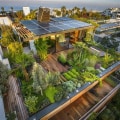
Rooftop garden design is an innovative approach to urban landscaping that transforms underutilized spaces into vibrant green areas. As cities continue to grow and the demand for sustainable living increases, rooftop gardens have emerged as a practical solution to enhance urban environments. These gardens not only provide aesthetic appeal but also offer numerous benefits, including improved air quality, reduced heat island effect, and increased biodiversity. One of the most compelling aspects of rooftop garden design is the variety of materials that can be utilized to create these green spaces. From lightweight soil alternatives to durable planters, the choice of materials plays a crucial role in the success of a rooftop garden.
Selecting the right components ensures that the garden can thrive in its unique environment while also being structurally sound and visually appealing. Moreover, rooftop gardens contribute significantly to energy efficiency by insulating buildings and reducing cooling costs. They also provide a serene escape from the hustle and bustle of city life, offering residents a place to relax and connect with nature. As we delve deeper into the various materials used in rooftop garden design, it becomes clear that thoughtful selection can lead to sustainable and beautiful outdoor spaces that benefit both individuals and the community at large.
Understanding the Basics of Rooftop Garden Design
Rooftop garden design is an innovative approach to urban gardening that transforms underutilized spaces into vibrant green areas. Understanding the basics of rooftop garden design is essential for creating a successful and sustainable garden.This section will explore the different types of rooftop gardens and the fundamental design principles that guide their creation.
Types of Rooftop Gardens
- Extensive Rooftop Gardens: These gardens are characterized by a shallow soil depth, typically ranging from 2 to 6 inches. They are ideal for low-maintenance plants such as succulents and ground covers, making them suitable for urban environments where weight restrictions are a concern.
- Intensive Rooftop Gardens: In contrast, intensive gardens have deeper soil layers, often exceeding 6 inches. This allows for a wider variety of plants, including shrubs and small trees, and can even accommodate vegetable gardens. However, they require more maintenance and structural support.
- Hybrid Rooftop Gardens: Combining elements of both extensive and intensive gardens, hybrid designs offer flexibility in plant selection and layout.
They can feature both low-maintenance plants and more demanding species, providing a diverse aesthetic.
Design Principles
When embarking on a rooftop garden project, several key design principles should be considered:- Weight Considerations: The structural integrity of the building must be assessed to ensure it can support the additional weight of soil, plants, and water.
- Drainage: Proper drainage systems are crucial to prevent water accumulation, which can lead to plant root rot and structural damage.
- Microclimates: Understanding the unique microclimates created by rooftop exposure to wind, sun, and shade will help in selecting appropriate plants that thrive in those conditions.
- Aesthetic Appeal: The visual design should complement the surrounding architecture while providing a relaxing space for inhabitants. Incorporating pathways, seating areas, and decorative elements can enhance the overall experience.
Soil and Growing Mediums for Rooftop Gardens
When designing a rooftop garden, selecting the right soil and growing mediums is crucial for ensuring plant health and minimizing structural load. Traditional garden soil is often too heavy for rooftop applications, making it essential to explore lightweight soil options that still provide adequate nutrients and drainage.Types of Soil for Rooftop Gardens
- Lightweight Potting Mix: This is a specially formulated mix that includes components like peat moss, perlite, and vermiculite. These materials help retain moisture while allowing for proper aeration.
- Green Roof Substrates: Designed specifically for green roofs, these substrates are engineered to be lightweight and provide excellent drainage.
They often contain a blend of organic matter and inorganic materials.
- Coconut Coir: Made from the husks of coconuts, coir is an eco-friendly option that retains moisture well and provides good aeration. It is also lightweight, making it suitable for rooftop applications.
Growing Mediums for Rooftop Gardens
In addition to soil, various growing mediums can enhance the performance of your rooftop garden:- Hydroponic Systems: These systems use nutrient-rich water instead of soil, allowing plants to grow in a controlled environment. Hydroponics can be an excellent choice for maximizing space and minimizing weight.
- Aeroponic Systems: Similar to hydroponics, aeroponics involves growing plants in an air or mist environment without soil. This method uses less water and can be highly efficient in urban settings.
- Expanded Clay Pellets: These lightweight pellets provide excellent drainage and aeration while being easy to handle.
They can be used alone or mixed with other growing mediums.
Plant Selection for Rooftop Gardens
When it comes to rooftop garden design, selecting the right plants is crucial for creating a thriving green space. The unique conditions of rooftops, such as exposure to wind, limited soil depth, and varying sunlight, require careful consideration of plant choices.Factors to Consider:
- Climate: Choose plants that are well-suited to your local climate. For instance, if you live in a hot, dry area, opt for drought-resistant species.
- Sunlight: Assess how much sunlight your rooftop receives throughout the day.
Some plants thrive in full sun, while others prefer partial shade.
- Maintenance: Consider the level of maintenance you are willing to commit to. Low-maintenance plants are ideal for busy urban dwellers.
Best Plants for Rooftops:
- Sedums: These succulent plants are perfect for rooftop gardens due to their drought tolerance and ability to thrive in poor soil.
- Herbs: Basil, thyme, and rosemary not only add greenery but also provide fresh ingredients for your kitchen.
- Grasses: Ornamental grasses can add texture and movement to your rooftop garden while being resilient against wind.
- Perennials: Plants like coneflowers and black-eyed Susans can provide vibrant colors and attract pollinators.
Plant Selection Tips:
- Start with a mix of annuals and perennials to ensure year-round interest.
- Incorporate native plants that are adapted to your region's climate and soil conditions.
- Utilize vertical gardening techniques with climbing plants or wall planters to maximize space.
Hardscaping Materials in Rooftop Garden Design
When designing a rooftop garden, hardscaping materials play a crucial role in both aesthetics and functionality. These materials not only define the space but also contribute to the overall durability and maintenance of the garden.Paving Options for Rooftops
One of the primary considerations in rooftop garden design is the choice of paving materials. Here are some popular options:- Porcelain Pavers: Known for their durability and resistance to weather, porcelain pavers are an excellent choice for rooftop gardens.
They come in various colors and textures, allowing for creative designs.
- Natural Stone: Materials like granite, slate, and limestone offer a timeless look. Natural stone is not only beautiful but also provides excellent drainage when installed correctly.
- Concrete Pavers: Versatile and cost-effective, concrete pavers can mimic the appearance of natural stone while providing a sturdy surface for foot traffic.
Decking Materials
In addition to paving, decking materials can enhance the functionality of your rooftop garden:- Composite Decking: Made from a blend of wood fibers and plastic, composite decking is resistant to rot and insects, making it ideal for outdoor use.
- Wood Decking: Traditional wood options like cedar or redwood offer warmth and natural beauty but require regular maintenance to prevent weathering.
Outdoor Furniture Materials
The choice of outdoor furniture is equally important in rooftop garden design. Consider these materials:- Aluminum: Lightweight and rust-resistant, aluminum furniture is perfect for rooftop settings where weight is a concern.
- Teak: Renowned for its durability and resistance to moisture, teak wood adds elegance to any outdoor space.
- Synthetic Rattan: This material mimics natural rattan but offers greater durability against the elements, making it a popular choice for modern rooftop gardens.
Water Management Systems for Rooftop Gardens
Effective water management is crucial in rooftop garden design, as it directly impacts both plant health and the structural integrity of the building.Without proper systems in place, excess water can lead to root rot, while insufficient irrigation can stress plants and hinder their growth.
Irrigation Systems
Implementing a reliable irrigation system is essential for maintaining optimal moisture levels in rooftop gardens. There are several types of irrigation systems to consider:- Drip Irrigation: This method delivers water directly to the plant roots through a network of tubing and emitters, minimizing water waste and ensuring efficient hydration.
- Soaker Hoses: These porous hoses allow water to seep out slowly along their length, providing a gentle watering solution ideal for garden beds.
- Sprinkler Systems: Automated sprinkler systems can cover larger areas but may require careful planning to avoid over-saturation and runoff.
Drainage Solutions
Alongside irrigation, effective drainage solutions are vital to prevent water accumulation that can damage both plants and the building structure. Key drainage strategies include:- Drainage Layers: Incorporating layers of gravel or specialized drainage mats can facilitate excess water flow away from plant roots while retaining necessary moisture.
- Permeable Pavers: Using permeable materials for walkways allows rainwater to infiltrate the ground rather than pooling on the surface.
- Overflow Drains: Installing overflow drains ensures that any excess water is directed away from the garden area, protecting both plants and the rooftop from potential flooding.
Sustainable Materials for Eco-Friendly Rooftop Gardens
When designing a rooftop garden, selecting the right materials is crucial for creating an eco-friendly and sustainable environment. Here are some of the most commonly used sustainable materials that not only enhance the aesthetic appeal of your garden but also contribute to environmental responsibility.- Recycled Materials: Utilizing recycled materials such as reclaimed wood, bricks, or pavers can significantly reduce waste.
These materials not only add character to your rooftop garden but also minimize the carbon footprint associated with new production.
- Permeable Paving: To manage stormwater effectively, consider using permeable paving options. These allow rainwater to seep through, reducing runoff and promoting groundwater recharge. Materials like porous concrete or permeable pavers are excellent choices.
- Green Roof Systems: Incorporating a green roof system with pre-planted modules can enhance biodiversity and improve insulation. These systems often use lightweight, sustainable substrates that support plant growth while minimizing structural load.
- Native Plants: Choosing native plants for your rooftop garden not only supports local ecosystems but also requires less water and maintenance.
Native species are adapted to the local climate and soil conditions, making them more resilient.
- Compost and Organic Soil Amendments: Using compost and organic soil amendments enriches the soil without harmful chemicals. This practice promotes healthy plant growth and contributes to a sustainable gardening approach.
Common Challenges in Rooftop Garden Design and Material Solutions
Designing a rooftop garden presents unique challenges that require careful consideration of materials and structural integrity. One of the primary issues is weight distribution.Rooftops have weight limits, and the combination of soil, plants, and water can quickly exceed these limits. To address this, lightweight materials such as expanded clay pellets or lightweight soil mixes can be utilized. These materials reduce the overall weight while still providing adequate support for plant growth.Another challenge is drainage. Proper drainage is crucial to prevent water accumulation, which can lead to structural damage and plant root rot.
Incorporating a drainage layer made from materials like gravel or perforated drainage mats can facilitate water flow away from the roots. Additionally, using pots with built-in drainage holes can help manage excess water effectively.
Microclimates
are also a concern in rooftop gardens. The elevated position can expose plants to harsher weather conditions, including wind and intense sunlight. To combat this, selecting drought-resistant plants and using materials like shade cloth or windbreaks can create a more hospitable environment for your garden.
Pest management
is another challenge that rooftop gardeners face.
Elevated gardens can attract pests that may not be as prevalent at ground level. Utilizing organic pest control methods and incorporating materials like insect netting can help protect plants without harming the environment.Finally, accessibility for maintenance is essential. Using modular planters or raised beds made from recycled plastic or wood composites can make it easier to tend to plants without compromising the structural integrity of the rooftop.By understanding these common challenges in rooftop garden design and selecting appropriate materials, gardeners can create thriving green spaces that enhance urban living.
FAQs About Rooftop Garden Materials
When considering rooftop garden design, many people have questions about the materials that are best suited for this unique environment. Here are some frequently asked questions regarding materials used in rooftop gardens:- What types of soil should I use?The soil used in rooftop gardens should be lightweight yet nutrient-rich.
A common choice is a lightweight soil mix that includes components like expanded clay, perlite, and organic matter. This helps reduce the overall weight on the roof while providing adequate drainage and nutrients for plants.
- Are there specific containers recommended for rooftop gardens?Yes, using containers made from materials like fiberglass, resin, or lightweight metals is advisable. These materials are durable and can withstand varying weather conditions while being easier to manage than traditional ceramic or concrete pots.
- What kind of drainage system is necessary?A proper drainage system is crucial to prevent water accumulation, which can damage both plants and the building structure. Consider using a combination of drainage mats and perforated pipes to ensure excess water is efficiently removed.
- Can I use recycled materials in my rooftop garden?Absolutely! Using recycled materials, such as reclaimed wood for planters or repurposed bricks for pathways, not only adds character to your garden but also promotes sustainability.
- What types of plants are best suited for rooftop gardens?Opt for drought-resistant and low-maintenance plants that can thrive in limited soil depth and fluctuating temperatures.
Succulents, herbs, and native plants are excellent choices.
Conclusion: Key Takeaways on Rooftop Garden Materials
In summary, the selection of materials for rooftop garden design plays a crucial role in the overall success and sustainability of the garden. Each material contributes uniquely to the aesthetic, functionality, and environmental impact of the space.Key Materials Recap
- Soil and Growing Medium: Choosing lightweight, well-draining soil is essential to prevent excess weight on the rooftop while ensuring healthy plant growth.
- Planters and Containers: The use of durable materials such as fiberglass, metal, or recycled plastics can enhance both the visual appeal and longevity of your rooftop garden.
- Water Management Systems: Incorporating efficient irrigation systems, such as drip irrigation or rainwater harvesting, is vital for maintaining plant health while conserving water.
- Paving and Flooring: Selecting permeable paving options can help manage stormwater runoff and reduce heat absorption, contributing to a more sustainable environment.
- Structural Elements: Utilizing lightweight materials for structures like trellises or pergolas can provide necessary support without compromising the integrity of the rooftop.