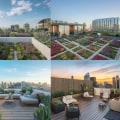
Designing a rooftop garden is an exciting venture that combines creativity with environmental awareness. As urban spaces continue to expand, the need for green areas becomes increasingly vital. A well-planned rooftop garden not only enhances the aesthetic appeal of a building but also contributes to sustainability by improving air quality and reducing heat absorption. However, achieving a successful rooftop garden requires a deep understanding of garden design principles, particularly the balance between sunlight and shade.One of the primary considerations in rooftop garden design is how sunlight interacts with the space throughout the day.
Different plants have varying light requirements, and understanding these needs is crucial for their health and growth. For instance, sun-loving plants thrive in direct sunlight, while shade-tolerant species can flourish in less illuminated areas. By strategically placing taller plants or structures to create shade, designers can cultivate a diverse ecosystem that accommodates various plant types. Moreover, the orientation of the rooftop plays a significant role in determining how much sunlight different areas receive. South-facing rooftops typically enjoy more sunlight than those facing north, making it essential to analyze the sun's path before planting.
Incorporating elements such as pergolas or trellises can also help manage light exposure, providing both shade and support for climbing plants. Ultimately, a thoughtful approach to sunlight and shade not only enhances plant vitality but also creates comfortable outdoor spaces for relaxation and enjoyment.
Assessing Your Rooftop Environment
To create an effective rooftop garden design, it is essential to conduct a thorough assessment of your rooftop environment. This evaluation will help you understand the unique conditions that affect sunlight exposure and shade throughout the day and year.1.Sunlight Exposure
- Track Sun Patterns: Observe how sunlight moves across your rooftop at different times of the day and during various seasons. Use a sun path diagram or apps that simulate sunlight exposure to visualize this.
- Identify Hot Spots: Look for areas that receive direct sunlight for extended periods, as these spots are ideal for sun-loving plants.
Conversely, shaded areas may require different plant selections.
- Consider Reflections: Nearby buildings or structures can reflect sunlight onto your rooftop, increasing light levels in certain areas. Take note of these reflections when planning your garden layout.
2.Shade Analysis
- Evaluate Existing Structures: Assess any obstructions such as parapets, chimneys, or HVAC units that may cast shadows on your garden. Understanding their impact will help you choose suitable plants.
- Seasonal Changes: Remember that the angle of the sun changes with the seasons. Areas that are sunny in summer may become shaded in winter, so plan for seasonal variations in light availability.
- Utilize Shade-Tolerant Plants: In areas with limited sunlight, select plants that thrive in partial or full shade to ensure a lush and vibrant garden despite lower light conditions.
This strategic planning will not only optimize plant health but also create a more enjoyable outdoor space.
Choosing the Right Plants for Sunlight and Shade
When designing a rooftop garden, selecting the right plants is crucial for creating a balanced environment that thrives under varying sunlight conditions. Understanding the specific light requirements of plants will help you maximize both sunlight and shade, ensuring your garden flourishes.Sun-Loving Plants
- Succulents: These drought-resistant plants thrive in full sun and require minimal maintenance. Varieties like Sedum and Echeveria are perfect for sunny spots.
- Herbs: Many herbs, such as Basil, Thyme, and Rosemary, love the sun and can be used in cooking, adding both beauty and functionality to your rooftop garden.
- Flowering Plants: Consider sun-loving flowers like Marigolds, Zinnias, and Petunias. These vibrant blooms not only attract pollinators but also add color to your space.
Shade-Tolerant Plants
- Ferns: Varieties such as Boston Fern and Maidenhair Fern thrive in shaded areas, providing lush greenery without requiring direct sunlight.
- Hostas: Known for their beautiful foliage, hostas are excellent for shaded spots and come in various sizes and colors, making them versatile for any design.
- Shade-Tolerant Flowers: Plants like Astilbe and Impatiens can brighten up darker areas of your rooftop garden with their colorful blooms.
This not only enhances the aesthetic appeal but also ensures that each plant receives the appropriate amount of sunlight or shade. Additionally, incorporating features such as trellises or shade sails can help manage light exposure effectively, allowing you to cultivate a diverse range of plants in your rooftop garden.
Designing for Sunlight: Maximizing Exposure
To create a successful rooftop garden design that maximizes sunlight, careful planning and strategic layout are essential. The orientation of your rooftop plays a crucial role in determining how much sun exposure your plants will receive throughout the day.Understanding Sun Patterns Before planting, observe the sun's path across your rooftop. Typically, south-facing areas receive the most sunlight, while north-facing sections may be shaded.Consider using this knowledge to position your garden beds and containers accordingly.Garden Layout Techniques
- Raised Beds: Utilize raised beds to elevate plants closer to the sun. This not only improves drainage but also allows for better air circulation.
- Container Gardening: Use movable containers that can be repositioned throughout the day to follow the sun. This flexibility can help ensure that all plants receive adequate light.
- Vertical Gardening: Incorporate vertical elements such as trellises or wall planters. These structures can help maximize space and expose more foliage to sunlight.
Group sun-loving plants together in areas that receive direct sunlight for most of the day, while shade-tolerant species can be placed in partially shaded spots. This not only optimizes light exposure but also creates a visually appealing garden layout. Additionally, consider using reflective materials in your rooftop garden design. Light-colored surfaces can bounce sunlight onto your plants, enhancing their growth potential. Incorporating features like mirrors or light-colored gravel paths can further increase light availability. By thoughtfully considering these factors, you can create a vibrant rooftop garden that thrives under the sun's rays while ensuring that each plant receives the light it needs to flourish.
Creating Shade: Techniques and Structures
Creating a comfortable and functional rooftop garden requires careful consideration of shade to protect plants and provide a pleasant environment for users.Here are several effective techniques and structures to incorporate shade into your rooftop garden design.
Shade Structures
- Pergolas: These open-roofed structures can be adorned with climbing plants or vines, providing partial shade while allowing sunlight to filter through. They create a visually appealing focal point in the garden.
- Canopies: Fabric canopies or awnings can be installed to offer immediate relief from the sun. They come in various styles and colors, allowing for customization that complements your garden's aesthetic.
- Gazebos: A gazebo not only provides shade but also serves as a gathering space. This structure can be designed with solid roofs or open slats, depending on the desired light exposure.
Plant Shading Techniques
- Tall Plants: Incorporating taller plants such as sunflowers or ornamental grasses can create natural shade.
Position these plants strategically to block direct sunlight from reaching lower-growing plants.
- Layering Plants: Use a mix of plant heights to create a layered effect. Taller plants at the back or center can shield shorter ones from harsh sunlight, promoting a healthier ecosystem.
- Deciduous Trees: If space allows, consider planting small deciduous trees that provide ample shade during the summer months while allowing sunlight in during winter after they shed their leaves.
Incorporating Water Features for Microclimate Control
Incorporating water features into your rooftop garden design can significantly enhance the microclimate, providing both temperature regulation and humidity management. Water elements such as ponds, fountains, or even small waterfalls not only add aesthetic appeal but also play a crucial role in creating a comfortable environment for plants and people alike.Microclimate control
is essential in rooftop gardens, where exposure to wind and sun can be extreme. Water features can help mitigate these effects by cooling the air through evaporation.This process, known as evaporative cooling, occurs when water evaporates from the surface of the feature, lowering the surrounding temperature. As a result, areas near water features can provide a refreshing escape from the heat, making them ideal spots for relaxation.Moreover, water features contribute to humidity management. In urban environments, rooftops often experience dry conditions due to heat absorption by concrete and other materials. By introducing water elements, you can increase local humidity levels, which is beneficial for plant health and can help reduce the need for frequent watering.
- Ponds: These can support aquatic plants and wildlife while providing a larger surface area for evaporation.
- Fountains: The sound of flowing water adds tranquility and encourages a cooling breeze.
- Waterfalls: These not only create visual interest but also enhance air circulation around the garden.
For instance, positioning a fountain near seating areas can create a pleasant microclimate that invites people to linger. Additionally, using plants that thrive in humid conditions around these features can further enhance the overall ecosystem of your rooftop garden.In conclusion, integrating water features into your rooftop garden design is an effective strategy for achieving optimal microclimate control. By carefully selecting and placing these elements, you can create a harmonious balance of sunlight and shade that promotes both plant vitality and human enjoyment.
Seasonal Considerations in Rooftop Garden Design
Designing a rooftop garden requires careful consideration of seasonal changes, as these fluctuations significantly impact both sunlight and shade. Understanding how these elements interact throughout the year is crucial for creating a thriving garden.Seasonal Changes and Sunlight
- Spring: As the days lengthen, plants begin to emerge from dormancy.
During this time, it’s essential to maximize sunlight exposure by selecting locations that receive direct light for most of the day.
- Summer: The intense summer sun can create excessive heat and shade issues. Incorporating structures like pergolas or shade sails can help protect delicate plants while still allowing for adequate light penetration.
- Fall: As temperatures cool, the angle of sunlight changes. This is an ideal time to assess which areas of your garden receive less light and consider planting shade-tolerant species in those spots.
- Winter: With shorter days and lower sun angles, it’s vital to plan for winter conditions. Utilizing reflective materials can help maximize available sunlight, while evergreens can provide year-round greenery and wind protection.
Year-Round Gardening Strategies
- Layering Plants: Use a tiered approach to plant selection, placing taller plants on the north side and shorter ones on the south to ensure all receive adequate sunlight.
- Seasonal Plant Selection: Choose a mix of annuals and perennials that thrive in different seasons.
For example, consider planting cool-season crops like kale and spinach in early spring and transitioning to heat-loving varieties like tomatoes in summer.
- Microclimates: Identify microclimates within your rooftop garden. Areas that are sheltered from wind or receive reflected heat from nearby buildings can support different plant varieties than more exposed sections.
Maintenance Tips for a Balanced Rooftop Garden
Maintaining a rooftop garden that balances sunlight and shade is crucial for the health of your plants. Here are some essential maintenance tips to help you achieve this balance:- Regular Monitoring: Keep an eye on how sunlight and shade shift throughout the seasons. This will help you understand which areas of your garden receive the most light and which remain shaded.
- Pruning and Trimming: Regularly prune taller plants or shrubs that may block sunlight from reaching shorter plants.
This not only helps maintain a balanced light distribution but also encourages healthy growth.
- Plant Selection: Choose a mix of sun-loving and shade-tolerant plants. This diversity allows you to create microclimates within your rooftop garden, ensuring that all plants thrive regardless of their light requirements.
- Soil Health: Use high-quality soil that retains moisture but drains well. Healthy soil supports robust root systems, which can better adapt to varying light conditions.
- Watering Schedule: Adjust your watering routine based on the amount of sunlight different areas receive. Shaded areas may require less frequent watering compared to sun-drenched spots.
- Mulching: Apply mulch around plants to help retain moisture and regulate soil temperature.
This can be particularly beneficial in areas that receive intense sunlight.
FAQs About Rooftop Garden Design for Sunlight and Shade
Designing a rooftop garden to effectively manage sunlight and shade can be a complex task, but understanding common questions can simplify the process. Here are some frequently asked questions:What factors should I consider for sunlight exposure?
- Orientation: The direction your rooftop faces significantly impacts sunlight. South-facing roofs receive the most sun, while north-facing ones get less.
- Obstructions: Nearby buildings, trees, or structures can cast shadows.
Assess these before planning your garden layout.
- Seasonal Changes: The angle of the sun changes with the seasons, affecting how much light your plants receive throughout the year.
How can I create shade in my rooftop garden?
- Shade Structures: Consider installing pergolas, awnings, or shade sails to provide immediate relief from direct sunlight.
- Tall Plants: Use taller plants or trellises to create natural shade. Climbing vines can also be effective.
- Layering Plants: Planting in layers allows shorter plants to thrive in the shade of taller ones, maximizing space and light efficiency.
What are some tips for choosing plants based on sunlight and shade?
- Sun-Loving Plants: Select plants like succulents, lavender, and tomatoes for areas that receive full sun.
- Shade-Tolerant Plants: Ferns, hostas, and certain types of ferns thrive in shaded areas and can add lush greenery to your garden.
- Diverse Plant Selection: Incorporating a mix of both sun-loving and shade-tolerant plants can create a balanced ecosystem that thrives throughout the day.