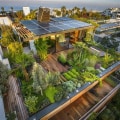
In the heart of bustling urban landscapes, rooftop garden design emerges as a transformative solution that not only beautifies but also revitalizes our living spaces. These elevated green havens offer a unique opportunity to combat the challenges of urbanization, such as air pollution and heat islands, while providing essential green spaces for residents. As cities continue to grow, the integration of nature into our built environments becomes increasingly vital, making rooftop gardens a key component in sustainable urban planning. One of the most compelling aspects of rooftop gardens is their potential to utilize sustainable building materials. By incorporating eco-friendly options such as recycled metals, reclaimed wood, and permeable paving, designers can create gardens that are not only aesthetically pleasing but also environmentally responsible.
These materials contribute to reducing the carbon footprint of construction and maintenance while enhancing the overall resilience of the garden. Furthermore, using sustainable materials aligns with the broader goals of sustainability, promoting biodiversity and improving air quality. The benefits of rooftop gardens extend beyond their visual appeal. They provide insulation for buildings, reducing energy costs and enhancing comfort for occupants. Additionally, these gardens can manage stormwater runoff effectively, mitigating flooding risks in urban areas.
As we delve deeper into the various ways to incorporate sustainable materials into rooftop garden designs, it becomes clear that these green spaces are not just a luxury but a necessity for fostering healthier urban environments.
The Importance of Sustainability in Rooftop Gardens
Incorporating sustainability into rooftop garden design is not just a trend; it is a necessity for creating environmentally responsible urban spaces. The importance of sustainability in these gardens extends beyond aesthetics, offering numerous benefits that contribute to both the environment and the well-being of city dwellers.Environmental Benefits:
Rooftop gardens play a crucial role in mitigating urban heat islands, which are areas significantly warmer than their rural surroundings due to human activities. By utilizing sustainable materials, such as recycled plastics or sustainably sourced wood, these gardens can help lower temperatures in cities, reducing the need for air conditioning and thus conserving energy.Energy Efficiency:
Sustainable rooftop gardens can also enhance energy efficiency in buildings. Green roofs provide insulation, which helps maintain indoor temperatures and reduces heating and cooling costs.This not only leads to lower energy bills but also decreases the overall carbon footprint of the building.
Enhancing Biodiversity:
Another significant aspect of sustainability in rooftop gardens is their ability to support biodiversity. By incorporating native plants and organic materials, these gardens create habitats for various species, including pollinators like bees and butterflies. This contributes to a healthier ecosystem and promotes ecological balance within urban environments.Moreover, using eco-friendly gardening practices, such as rainwater harvesting and composting, further enhances the sustainability of rooftop gardens. These practices not only reduce waste but also promote resource conservation, making rooftop gardens a model for sustainable living.In conclusion, prioritizing sustainability in rooftop garden design is essential for fostering environmental health, improving energy efficiency, and enhancing urban biodiversity.By choosing sustainable materials and practices, we can create vibrant green spaces that benefit both people and the planet.
Choosing Sustainable Building Materials for Your Rooftop Garden
Incorporating sustainable building materials into your rooftop garden design not only enhances the aesthetic appeal but also contributes to environmental conservation. Here are some effective materials to consider:- Recycled Materials: Utilizing recycled materials, such as reclaimed bricks or concrete, can significantly reduce waste. These materials often have unique textures and colors that add character to your garden.
- Reclaimed Wood: Sourcing wood from old buildings or furniture is an excellent way to incorporate eco-friendly materials. Reclaimed wood is not only sustainable but also provides a rustic charm that complements natural elements in your garden.
- Non-Toxic Finishes: When selecting finishes for your garden structures, opt for non-toxic paints and sealants.
These products ensure that no harmful chemicals leach into the soil, promoting a healthier environment for plants and wildlife.
- Permeable Paving: Consider using permeable paving stones made from recycled materials. This allows rainwater to filter through, reducing runoff and promoting groundwater recharge.
- Green Roof Systems: Implementing a green roof system with lightweight, sustainable materials can enhance insulation and reduce energy costs. Look for systems that use recycled content and are designed for easy maintenance.
Types of Sustainable Materials to Consider
When designing a rooftop garden, selecting the right materials is crucial for sustainability and functionality.Here are some types of sustainable materials to consider:
- Green Roof Systems: These systems involve layers of vegetation planted over a waterproof membrane. They not only provide insulation but also help manage stormwater runoff, reduce urban heat, and improve air quality.
- Permeable Paving: Utilizing permeable materials for walkways and patios allows rainwater to infiltrate the ground, reducing runoff and promoting groundwater recharge. Options include permeable concrete, porous asphalt, and interlocking pavers.
- Recycled Materials: Incorporating recycled materials such as reclaimed wood, recycled metal, or repurposed bricks can significantly reduce the environmental impact of your rooftop garden. These materials often add unique aesthetic value as well.
- Organic Soil Amendments: Enhancing soil health with organic amendments like compost or worm castings can improve plant growth while minimizing chemical fertilizers.
This approach supports a healthier ecosystem in your rooftop garden.
- Native Plants: Choosing native plants for your rooftop garden design not only conserves water but also supports local wildlife. Native species are adapted to the local climate and soil conditions, making them more resilient and easier to maintain.
Designing with Sustainable Materials: Best Practices
Incorporating sustainable materials into your rooftop garden design not only enhances the aesthetic appeal but also contributes to environmental conservation. Here are some best practices to consider:- Choose Recycled Materials: Utilize materials that have been recycled or repurposed, such as reclaimed wood for planters or pathways.
This reduces waste and gives a unique character to your garden.
- Opt for Local Sourcing: Select materials sourced locally to minimize transportation emissions. Local stone, bricks, or even soil can significantly reduce your carbon footprint.
- Incorporate Green Roof Systems: Use green roof systems that include lightweight soil and vegetation specifically designed for rooftop environments. These systems not only support plant growth but also provide insulation and reduce stormwater runoff.
- Utilize Eco-Friendly Pavers: When designing walkways, consider permeable pavers made from recycled materials. These allow water to drain through, reducing runoff and promoting healthier plant growth.
Choose native plants that require less water and maintenance, as they are adapted to the local climate. Incorporating a mix of perennials and annuals can create a vibrant landscape while ensuring year-round interest.
Maintenance
is another aspect where sustainability can shine. Implementing a rainwater harvesting system can provide irrigation for your rooftop garden, reducing reliance on municipal water sources. Additionally, using organic fertilizers and pest control methods will promote a healthier ecosystem.By following these best practices, you can create a stunning rooftop garden that not only looks good but also supports sustainable living and environmental stewardship.Case Studies: Successful Rooftop Gardens Using Sustainable Materials
Rooftop gardens have gained popularity not only for their aesthetic appeal but also for their potential to promote sustainability.Here are some notable case studies that exemplify the successful integration of sustainable building materials in rooftop garden design.
1.The High Line, New York City
The High Line is a prime example of transforming an old railway into a vibrant green space. This elevated park utilizes recycled materials such as steel from the original railway and reclaimed wood for seating areas. The design incorporates native plants that require minimal irrigation, reducing water usage and supporting local biodiversity.2.Bosco Verticale, Milan
This innovative residential complex features two towers adorned with over 9,000 trees and 20,000 plants. The use of locally sourced materials and a focus on energy efficiency make it a model for sustainable urban living.The rooftop gardens not only provide insulation but also improve air quality and reduce urban heat.
3.The Edge, Amsterdam
Known as one of the greenest buildings in the world, The Edge incorporates a rooftop garden that utilizes green roofing systems. These systems are designed with lightweight, sustainable materials that support plant growth while minimizing structural load. The garden serves as a habitat for local wildlife and enhances the building's energy efficiency.4.One Central Park, Sydney
This residential development features vertical gardens designed by renowned architect Patrick Blanc. The use of sustainable irrigation systems and drought-resistant plants ensures that the rooftop gardens thrive with minimal water consumption.The project highlights how integrating nature into urban environments can enhance livability.These case studies illustrate that incorporating sustainable building materials into rooftop garden design not only enhances the aesthetic value but also contributes to environmental sustainability. By learning from these successful examples, future projects can continue to innovate and promote eco-friendly practices in urban landscaping.
Common Challenges and Solutions in Sustainable Rooftop Garden Design
Incorporating sustainable materials into rooftop garden design can present several challenges, but with the right strategies, these obstacles can be effectively managed. Below are some common challenges and their corresponding solutions.- Weight Limitations: Rooftops have specific weight limits that must be adhered to in order to maintain structural integrity. Using lightweight materials such as recycled plastic or lightweight soil alternatives can help reduce the overall weight of the garden.
- Water Management: Proper drainage is crucial in rooftop gardens to prevent water accumulation.
Implementing a drainage layer made from recycled materials, such as crushed stone or perforated pipes, can facilitate effective water management.
- Access to Resources: Limited access to sustainable materials can hinder the design process. Partnering with local suppliers who specialize in eco-friendly products or utilizing online platforms that focus on sustainable building materials can provide necessary resources.
- Microclimate Challenges: Rooftops often experience extreme temperatures and wind exposure. To combat this, consider using native plants that are well-adapted to local conditions and can thrive with minimal maintenance.
- Cost Considerations: Sustainable materials may initially seem more expensive. However, investing in durable, high-quality materials can lead to long-term savings through reduced maintenance and water usage.
Additionally, exploring grants or incentives for green building projects can alleviate upfront costs.
FAQs About Sustainable Rooftop Garden Design
When considering sustainable rooftop garden design, many people have questions about the practicality, benefits, and implementation of eco-friendly practices. Here are some frequently asked questions that can help clarify common concerns:What are the benefits of using sustainable materials in rooftop gardens?
Utilizing sustainable materials in your rooftop garden can lead to numerous benefits, including:- Environmental impact: Sustainable materials reduce carbon footprints and promote biodiversity.
- Energy efficiency: Green roofs can improve insulation, reducing heating and cooling costs.
- Aesthetic appeal: Eco-friendly materials often have unique textures and colors that enhance the visual appeal of your garden.
How do I choose the right plants for a sustainable rooftop garden?
Selecting the right plants is crucial for a successful rooftop garden. Consider the following:- Natives: Choose native plants that are adapted to your local climate and require less water.
- Drought-resistant species: Incorporate plants that thrive in dry conditions to minimize water usage.
- Pollinator-friendly options: Include flowers that attract bees and butterflies to support local ecosystems.
Can I install a rooftop garden on any building?
Not all buildings are suitable for rooftop gardens. Key factors to consider include:- Structural integrity: Ensure the building can support the weight of soil, plants, and water.
- Access to sunlight: A successful rooftop garden requires adequate sunlight for plant growth.
- Zoning regulations: Check local laws and regulations regarding rooftop gardens before installation.
Conclusion: Embracing Sustainability in Rooftop Garden Design
In conclusion, the integration of sustainable building materials into rooftop garden design is not just a trend but a necessity for creating environmentally friendly urban spaces.By utilizing materials that are both eco-friendly and durable, designers can significantly reduce the carbon footprint of their projects while enhancing the aesthetic appeal and functionality of rooftop gardens.Throughout this article, we explored various sustainable materials such as recycled metals, locally sourced wood, and permeable paving. Each of these options contributes to a more sustainable environment by minimizing waste and promoting biodiversity. For instance, using recycled metals not only reduces the demand for new resources but also adds a modern touch to garden structures.Moreover, incorporating native plants into rooftop gardens can further enhance sustainability. These plants require less water and maintenance, making them ideal for urban settings where resources may be limited.
Additionally, they support local wildlife, contributing to urban biodiversity.As we move towards a more sustainable future, it is crucial for architects, landscapers, and homeowners to prioritize eco-friendly practices in their designs. By embracing sustainable building materials in rooftop garden design, we can create green spaces that are not only beautiful but also beneficial for the environment.Ultimately, the choices we make in our rooftop garden designs can have a lasting impact on our cities and communities. Let us commit to making informed decisions that promote sustainability and foster a healthier planet for future generations.