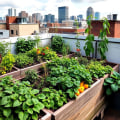
Rooftop gardens have emerged as a transformative element in urban landscapes, offering a unique blend of aesthetics and functionality. These green spaces not only enhance the visual appeal of buildings but also provide numerous environmental benefits, such as improved air quality and reduced urban heat. As cities continue to grow, the concept of rooftop garden design becomes increasingly relevant, allowing residents to reconnect with nature while maximizing limited space. A rooftop garden is essentially a garden located on the roof of a building, which can range from simple container gardens to elaborate landscapes featuring trees, shrubs, and even small water features. The benefits of rooftop gardens extend beyond mere beauty; they can significantly lower energy costs by providing insulation, manage stormwater runoff, and create habitats for urban wildlife.
Furthermore, these gardens can serve as community spaces that promote social interaction and well-being among residents. However, while the allure of rooftop gardens is undeniable, it is crucial to approach their design with careful consideration of safety measures. Ensuring structural integrity, proper drainage, and accessibility are just a few of the factors that must be taken into account. By understanding the fundamentals of rooftop garden design, we can create safe and sustainable green spaces that enhance our urban environments.
Structural Integrity and Load-Bearing Capacity
When embarking on a rooftop garden design, one of the most critical considerations is the structural integrity of the building. Before any plants or features are added, it is essential to assess whether the existing structure can support the additional weight.This involves a thorough evaluation of the building's load-bearing capacity, which refers to the maximum weight that the roof can safely hold without compromising its stability.Typically, a rooftop garden can add significant weight due to soil, plants, water, and any additional features like furniture or pathways. Therefore, understanding the rooftop garden weight limits is crucial. Here are some key steps to ensure safety:
- Consult a Structural Engineer: Engaging a professional is vital for assessing the building's current load capacity and determining if reinforcements are necessary.
- Conduct a Load Analysis: This analysis should include all potential weights from soil, plants, and water. It helps in calculating the total load that will be placed on the roof.
- Consider Lightweight Materials: Opting for lighter soil alternatives and modular planting systems can significantly reduce overall weight.
- Plan for Water Drainage: Proper drainage systems must be integrated to prevent water accumulation, which can add unexpected weight and lead to structural issues.
- Adhere to Local Building Codes: Compliance with local regulations ensures that your rooftop garden meets safety standards and avoids legal complications.
This proactive approach not only protects your investment but also contributes to the longevity of both the garden and the building itself.
Waterproofing and Drainage Solutions
When it comes to rooftop garden design, ensuring proper waterproofing and effective drainage solutions is crucial to prevent water damage to the building structure. Without these essential measures, excess water can lead to leaks, mold growth, and structural deterioration.Waterproofing Techniques
- Membrane Systems: Utilizing high-quality waterproof membranes is one of the most effective ways to protect the underlying structure. These membranes can be either liquid-applied or sheet-based, providing a seamless barrier against water infiltration.
- Sealants: Applying sealants around edges, joints, and penetrations can further enhance waterproofing. Look for products specifically designed for outdoor use that can withstand UV exposure and temperature fluctuations.
- Root Barriers: If your rooftop garden includes plants, consider installing root barriers to prevent roots from penetrating the waterproof membrane, which could lead to leaks over time.
Drainage Solutions
- Drainage Layers: Incorporating a drainage layer beneath the soil is essential.
This layer allows excess water to flow away from plant roots while preventing water pooling on the surface.
- Drains and Scuppers: Installing adequate drainage systems, such as drains or scuppers, ensures that water is efficiently channeled away from the rooftop. Position these elements strategically to facilitate optimal water flow.
- Regular Maintenance: Regularly inspect and maintain drainage systems to prevent clogs caused by debris or sediment buildup. This proactive approach will help maintain the integrity of your rooftop garden.
Safety Railings and Barriers
When it comes to rooftop garden design, ensuring the safety of individuals is paramount. One of the most critical aspects of this safety is the installation of safety railings and barriers.These features not only enhance the aesthetic appeal of the garden but also serve as essential protective measures against falls.
Height Requirements
- The height of safety railings should typically be at least 42 inches above the finished floor level to effectively prevent accidental falls.
- In some jurisdictions, local building codes may dictate specific height requirements, so it’s crucial to consult these regulations during the design phase.
Material Considerations
- Choose durable materials that can withstand weather conditions, such as stainless steel, aluminum, or treated wood. These materials not only provide strength but also require minimal maintenance.
- Ensure that the materials used for railings and barriers are non-corrosive and resistant to rust, especially in areas with high humidity or exposure to rain.
Design Elements
- Incorporate a design that complements the overall aesthetic of the rooftop garden. This could include decorative elements or plant integration that enhances visual appeal while maintaining functionality.
- Consider using transparent materials like glass or acrylic for railings to maintain unobstructed views while still providing safety.
Regular inspections and maintenance of these safety features are also essential to ensure they remain effective over time.By prioritizing safety railings and barriers in your rooftop garden design, you can create a beautiful yet secure environment for all users, significantly reducing the risk of falls and enhancing overall enjoyment of the space.
Fire Safety Measures
When designing a rooftop garden, fire safety is a critical consideration that cannot be overlooked. The unique environment of a rooftop can present specific fire hazards, making it essential to implement effective fire prevention measures.Material Selection
- Non-combustible materials: Choose materials that are fire-resistant for hardscaping elements such as decking, planters, and furniture. Options like metal, stone, or treated wood can significantly reduce fire risks.
- Fire-retardant plants: Opt for plants that are less likely to ignite. Succulents and other drought-resistant species tend to have higher moisture content, making them less flammable.
- Avoid highly flammable decorations: Steer clear of using materials like untreated wood or synthetic fabrics that can easily catch fire.
Emergency Access and Egress
- Clear pathways: Ensure that pathways are unobstructed to allow for quick evacuation in case of an emergency.
Regular maintenance is necessary to keep these routes clear.
- Access to fire extinguishers: Install easily accessible fire extinguishers and ensure they are regularly inspected and maintained. Consider placing them near high-risk areas such as grilling stations.
- Emergency lighting: Incorporate adequate lighting to illuminate escape routes during nighttime or low-visibility conditions.
Regular Safety Inspections
- Routine checks: Conduct regular inspections of the rooftop garden to identify potential fire hazards, such as dry plant material or malfunctioning electrical equipment.
- Fire drills: Implement periodic fire drills to ensure all occupants are familiar with evacuation procedures and emergency protocols.
Choosing Safe Plants and Materials
When it comes to rooftop garden design, selecting the right plants and materials is crucial for ensuring safety and sustainability. The unique environment of a rooftop can pose challenges, making it essential to choose safe plants that thrive in these conditions.Safe Plants for Rooftop Gardens
- Non-toxic plants: Opt for non-toxic varieties, especially if pets or children will have access to the rooftop. Some excellent choices include:
- Herbs: Basil, mint, and rosemary are not only safe but also useful in the kitchen.
- Flowers: Marigolds and nasturtiums add color and are safe for all.
- Succulents: Varieties like jade plants and aloe vera are low-maintenance and non-toxic.
- Drought-resistant plants: Given the limited soil depth on rooftops, consider drought-resistant species that require less water, such as sedums and lavender.
Materials for Rooftop Garden Design
- Lightweight soil mixes: Use specially formulated lightweight soils that reduce the load on your rooftop structure while providing adequate drainage and nutrients.
- Non-toxic containers: Choose pots made from safe materials like fiberglass or untreated wood.
Avoid plastics that may leach harmful chemicals into the soil.
- Drainage systems: Implement proper drainage solutions to prevent water accumulation, which can lead to structural damage and plant health issues.
Accessibility Considerations
When designing a rooftop garden, ensuring accessibility is crucial for creating an inclusive environment that caters to all individuals, including those with disabilities. This not only enhances the usability of the space but also aligns with ADA compliance regulations, which mandate that public spaces be accessible to everyone.Here are some key considerations to keep in mind when planning an accessible rooftop garden:- Pathways: Ensure that all pathways are wide enough (at least 36 inches) to accommodate wheelchairs and mobility aids. Use non-slip materials to enhance safety.
- Surface Materials: Choose smooth, stable surfaces for walking areas.
Avoid uneven or loose materials that could pose tripping hazards.
- Seating Areas: Provide accessible seating options with armrests and back support. Ensure that seating is placed at various heights to accommodate different users.
- Planters and Garden Beds: Design raised planters that are at a comfortable height for individuals in wheelchairs or those who may have difficulty bending down. A height of 24-36 inches is generally recommended.
- Handrails and Support: Install handrails along pathways and steps to assist individuals with mobility challenges. Ensure they are at a height that is easy to grasp.
- Lighting: Adequate lighting is essential for safety.
Use bright, even lighting to illuminate pathways and seating areas, making it easier for everyone to navigate the space.
- Signage: Clear, easy-to-read signage can help guide visitors through the garden. Use large fonts and high-contrast colors for better visibility.
Regular Maintenance and Inspections
Regular maintenance and inspections are crucial components of rooftop garden design, ensuring that the space remains safe, functional, and aesthetically pleasing. Without proper upkeep, even the most beautifully designed rooftop garden can become a hazard.Importance of Regular Maintenance
Routine maintenance helps to identify potential issues before they escalate. This includes:- Watering and Irrigation: Ensuring that plants receive adequate water is essential.
A malfunctioning irrigation system can lead to overwatering or underwatering, both of which can damage plants and create safety hazards.
- Weed Control: Weeds can compete with your garden plants for nutrients and water. Regularly removing them not only promotes plant health but also prevents slips and falls.
- Pest Management: Keeping an eye out for pests is vital. Infestations can weaken plants and pose health risks to those using the rooftop space.
Conducting Safety Inspections
In addition to routine maintenance, conducting regular safety inspections is essential for a secure rooftop garden. Key areas to focus on include:- Structural Integrity: Regularly check the roof's structure to ensure it can support the weight of the garden, including soil, plants, and any additional features like furniture or pathways.
- Drainage Systems: Inspect drainage systems to prevent water accumulation, which can lead to leaks or structural damage.
Proper drainage is critical in maintaining both plant health and building integrity.
- Safety Barriers: Ensure that any railings or barriers are secure and meet local building codes. This is particularly important in preventing falls from elevated spaces.
FAQs About Rooftop Garden Safety Measures
When considering rooftop garden design, safety is a paramount concern. Here are some frequently asked questions regarding safety measures:What are the primary safety concerns for rooftop gardens?
The main safety concerns include:- Structural integrity: Ensure that the building can support the additional weight of soil, plants, and water.
- Access and egress: Design safe access points and ensure there are clear escape routes in case of emergencies.
- Falling hazards: Install guardrails or barriers to prevent falls from the rooftop.
How can I ensure the structural integrity of my rooftop garden?
Consult with a structural engineer to assess the load-bearing capacity of your roof.They can help you determine:
- The maximum weight your roof can handle, including soil and plants.
- If reinforcements are needed to support the garden.
What materials are best for rooftop garden design?
Choose lightweight materials to minimize stress on the structure. Consider:- Lightweight soil mixes: Use specially formulated soils that reduce weight while retaining moisture.
- Container gardening: Utilize pots and raised beds to control plant weight and distribution.
Are there specific plants that are safer for rooftop gardens?
Selecting the right plants can enhance safety. Opt for:- Drought-resistant plants: These require less water, reducing the risk of leaks or overwatering.
- Non-invasive species: Prevent damage to the roof structure by avoiding aggressive root systems.
What maintenance practices should I follow for safety?
Regular maintenance is crucial for safety. Implement these practices:- Inspect regularly: Check for any signs of wear or damage to structures and plants.
- Cleansing pathways: Keep walkways clear of debris to prevent slips and falls.