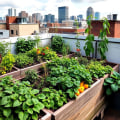
Rooftop garden design is an innovative approach to urban gardening that transforms underutilized spaces into vibrant green areas. As cities continue to expand and the demand for sustainable living increases, rooftop gardens offer a unique solution to combat urban heat, improve air quality, and enhance biodiversity. These elevated green spaces not only provide aesthetic appeal but also serve as a refuge for wildlife, making them an essential component of modern urban planning. The benefits of rooftop gardens extend beyond environmental impact; they also contribute to the well-being of city dwellers. By incorporating greenery into the urban landscape, rooftop gardens create serene environments that promote relaxation and mental health.
Additionally, they can help reduce energy costs by insulating buildings and lowering temperatures during hot months. This dual functionality makes rooftop gardens a valuable asset for both property owners and the community. As we delve deeper into the world of rooftop garden design, it becomes clear that technology plays a pivotal role in maximizing their potential. From advanced irrigation systems that ensure optimal water usage to smart sensors that monitor plant health, integrating technology into these green spaces can significantly enhance their sustainability and productivity. Understanding how to effectively incorporate these technological solutions will be crucial for anyone looking to create a thriving rooftop garden in an urban setting.
The Role of Technology in Modern Gardening
Incorporating technology into rooftop garden design has revolutionized the way urban dwellers can cultivate their green spaces.With the advent of smart gardening solutions, gardeners can now optimize their rooftop gardens for both aesthetics and productivity.
Automated irrigation systems
are one of the most significant technological advancements in modern gardening. These systems can be programmed to deliver precise amounts of water at specific times, ensuring that plants receive the hydration they need without the risk of overwatering. This not only conserves water but also promotes healthier plant growth.Another innovative solution is the use of sensors that monitor soil moisture levels, temperature, and light exposure. By integrating these sensors into a rooftop garden, gardeners can receive real-time data on their plants' needs.This information allows for timely interventions, such as adjusting watering schedules or relocating plants to optimize sunlight exposure.Furthermore, smart gardening apps can assist in planning and maintaining a rooftop garden. These applications often include features like plant identification, care reminders, and even community forums where gardeners can share tips and experiences. By leveraging these digital tools, urban gardeners can enhance their knowledge and skills, leading to more successful gardening outcomes.The benefits of incorporating technology into rooftop gardens extend beyond convenience. For instance, using LED grow lights can extend the growing season and allow for the cultivation of a wider variety of plants, even in limited sunlight conditions.
Additionally, automated systems can help reduce labor costs and time spent on maintenance, making gardening more accessible to busy city dwellers.In conclusion, embracing technology in rooftop garden design not only enhances the gardening experience but also contributes to sustainable urban living. By utilizing smart solutions like automated irrigation systems, sensors, and gardening apps, urban gardeners can create thriving green spaces that are both beautiful and functional.
Irrigation Systems: A Key Component of Rooftop Gardens
Incorporating irrigation systems into your rooftop garden design is essential for maintaining healthy plants and optimizing water usage. Given the unique challenges of rooftop environments, such as limited soil depth and exposure to wind, selecting the right irrigation system can significantly enhance the success of your garden.Types of Irrigation Systems
- Drip Irrigation: This system delivers water directly to the plant roots through a network of tubing and emitters. It minimizes water waste and is highly efficient, making it ideal for rooftop gardens where conserving water is crucial.
- Soaker Hoses: These porous hoses allow water to seep out slowly along their length, providing a gentle watering method.
They are easy to install and can be laid out in various configurations to suit your garden layout.
- Sprinkler Systems: While less common in rooftop gardens due to potential water runoff, small-scale sprinkler systems can be effective for larger areas. Consider using micro-sprinklers that provide targeted coverage without excessive water loss.
- Automated Irrigation Systems: Integrating smart technology, these systems can be programmed to water your plants at specific times or based on soil moisture levels. This not only saves time but also ensures that plants receive consistent care.
Benefits of Irrigation Systems
- Water Efficiency: By delivering precise amounts of water directly to the plants, irrigation systems reduce waste and promote sustainability in urban gardening.
- Improved Plant Health: Consistent moisture levels help prevent stress on plants, leading to healthier growth and increased yields.
- Saves Time: Automated systems allow gardeners to spend less time on manual watering, freeing up time for other gardening tasks or relaxation.
- Customization: Different plants have varying water needs; irrigation systems can be tailored to meet these specific requirements, ensuring optimal conditions for each plant type.
Smart Irrigation Technologies
Incorporating smart irrigation technologies into your rooftop garden design can significantly enhance plant health and conserve water. These advanced systems utilize technology to optimize watering schedules and ensure that plants receive the right amount of moisture at the right time.One of the most effective solutions is the use of automated irrigation systems, which can be programmed to water your garden based on specific needs.These systems often include:
- Drip irrigation: This method delivers water directly to the roots of plants, minimizing evaporation and runoff. It is particularly beneficial for rooftop gardens where space is limited.
- Soil moisture sensors: These devices monitor the moisture levels in the soil and can trigger watering only when necessary, preventing overwatering and promoting healthier root systems.
- Timers and controllers: Automated timers can be set to water at specific times, ensuring that your plants are hydrated even when you are not around.
As urban gardening continues to grow in popularity, adopting these innovations will ensure that your rooftop oasis remains vibrant and healthy.
Integrating Sensors and Monitoring Systems
Incorporating sensors and monitoring systems into your rooftop garden design can significantly enhance plant health and optimize growth conditions. By utilizing technology, gardeners can gain real-time insights into the environmental factors affecting their plants.Types of Sensors for Rooftop Gardens
- Soil Moisture Sensors: These devices measure the moisture level in the soil, allowing you to determine when to water your plants. This prevents overwatering and ensures that plants receive the right amount of hydration.
- Temperature Sensors: Monitoring temperature is crucial for plant health. Temperature sensors can alert you to extreme conditions that may stress your plants, enabling timely interventions.
- Light Sensors: These sensors measure the amount of sunlight your garden receives.
By understanding light levels, you can adjust plant placement or use artificial lighting to ensure optimal growth.
- Humidity Sensors: Maintaining the right humidity levels is essential for many plants. Humidity sensors help you monitor and adjust conditions to prevent issues like mold or dehydration.
Benefits of Using Monitoring Systems
The integration of these technologies not only simplifies garden management but also enhances productivity. Here are some key benefits:- Data-Driven Decisions: With accurate data from sensors, you can make informed decisions about watering schedules, plant placement, and nutrient management.
- Remote Monitoring: Many modern systems allow for remote access via smartphones or computers, enabling you to monitor your garden from anywhere.
- Alerts and Notifications: Set up alerts for critical changes in environmental conditions, ensuring that you can respond quickly to protect your plants.
Utilizing Hydroponics and Aquaponics in Rooftop Gardens
Incorporating hydroponics and aquaponics into your rooftop garden design can significantly enhance the efficiency and productivity of your urban gardening efforts. These innovative systems allow you to grow plants without soil, utilizing nutrient-rich water solutions that can be tailored to meet the specific needs of various crops.Hydroponics: A Soil-less Solution
Hydroponics involves growing plants in a water-based, nutrient-rich solution.This method is particularly advantageous for rooftop gardens where space is limited. By eliminating the need for soil, you can maximize vertical space and create a more organized planting layout. Here are some benefits of using hydroponics in your rooftop garden:
- Space Efficiency: Hydroponic systems can be stacked or arranged vertically, allowing you to grow more plants in a smaller area.
- Water Conservation: Hydroponics uses up to 90% less water than traditional gardening methods, making it ideal for urban environments.
- Pest Management: The controlled environment reduces the risk of pests and diseases, leading to healthier plants.
Aquaponics: A Sustainable Ecosystem
Aquaponics combines hydroponics with aquaculture, creating a symbiotic environment where fish waste provides nutrients for plants, and plants help filter and purify the water for fish. This closed-loop system is not only sustainable but also highly productive.Here are some key advantages:
- Diverse Produce: You can grow a variety of vegetables alongside fish, providing a diverse food source.
- Sustainability: Aquaponics systems use significantly less water than traditional farming and reduce the need for chemical fertilizers.
- Educational Opportunities: Setting up an aquaponics system can serve as an educational tool for understanding ecosystems and sustainable practices.
Choosing the Right Technology for Your Rooftop Garden
When it comes to rooftop garden design, selecting the right technology can significantly enhance the efficiency and productivity of your garden. Here are some key considerations to help you choose the best tools for your urban gardening needs:- Assess Your Space: Before investing in technology, evaluate the size and layout of your rooftop. Consider factors such as sunlight exposure, wind patterns, and accessibility.
This will help you determine which systems will work best in your specific environment.
- Irrigation Systems: A reliable irrigation system is crucial for maintaining plant health in a rooftop garden. Options include:
- Drip Irrigation: This method delivers water directly to the roots, minimizing waste and ensuring efficient moisture levels.
- Automated Sprinklers: Ideal for larger gardens, these systems can be programmed to water at specific times, reducing manual labor.
- Soil and Nutrient Management: Consider using technology that monitors soil moisture and nutrient levels. Sensors can provide real-time data, allowing you to adjust watering and fertilization schedules accordingly.
- Lighting Solutions: If your rooftop garden lacks sufficient natural light, especially during winter months, consider installing grow lights. LED grow lights are energy-efficient and can be tailored to the specific needs of your plants.
- Climate Control: Depending on your location, temperature fluctuations can impact plant growth.
Utilizing shade cloths or portable fans can help regulate temperature and protect plants from extreme weather conditions.
Case Studies: Successful Rooftop Gardens with Technology Integration
In recent years, several urban areas have embraced the concept of rooftop garden design by integrating advanced technology to enhance sustainability and productivity. Here are a few notable case studies that exemplify successful rooftop gardens utilizing innovative tech solutions.1.The Brooklyn Grange
Located in New York City, the Brooklyn Grange is one of the largest rooftop farms in the world. This project employs a sophisticated irrigation system that utilizes rainwater harvesting and drip irrigation techniques.By collecting rainwater from the rooftop, they minimize water waste and ensure that plants receive consistent moisture. The farm also uses solar panels to power its operations, showcasing how renewable energy can complement urban gardening.
2.The Green Roof at the Chicago City Hall
The green roof atop Chicago's City Hall is another exemplary model of technology in urban gardens. This installation features an automated irrigation system that adjusts based on weather conditions, ensuring optimal water usage. Additionally, sensors monitor soil moisture levels, allowing for precise watering schedules that conserve resources while promoting healthy plant growth.3.The Rooftop Garden at the California Academy of Sciences
This innovative garden incorporates a variety of technologies, including a smart irrigation system that uses weather data to optimize watering schedules.The garden also features a green roof designed to improve energy efficiency for the building below. By integrating these technologies, the Academy not only enhances its educational mission but also contributes to urban biodiversity.
4.The Edible Roof at the University of Toronto
The University of Toronto's edible roof is a prime example of how urban gardening can be enhanced through technology. This rooftop garden employs vertical farming techniques alongside hydroponic systems, allowing for year-round cultivation of various crops. The integration of LED grow lights and automated nutrient delivery systems maximizes yield while minimizing space.These case studies illustrate that incorporating technology into rooftop garden design not only improves efficiency but also promotes sustainability in urban environments.As cities continue to grow, such innovative approaches will be crucial in transforming underutilized spaces into productive green areas.
FAQs About Technology in Rooftop Garden Design
Integrating technology into rooftop garden design can enhance the gardening experience and improve plant health. Here are some frequently asked questions regarding this integration:What types of technology can I use in my rooftop garden?
There are several technologies that can be beneficial for rooftop gardens, including:- Irrigation systems: Automated drip irrigation or sprinkler systems can ensure your plants receive the right amount of water without manual effort.
- Smart sensors: Soil moisture sensors can help monitor the hydration levels of your plants, alerting you when it's time to water.
- LED grow lights: These lights can supplement natural sunlight, especially in shaded areas, promoting healthy growth.
- Weather stations: These devices provide real-time data on temperature, humidity, and rainfall, helping you make informed decisions about your garden care.
How do I troubleshoot common garden tech issues?
If you encounter problems with your rooftop garden technology, consider the following troubleshooting tips:- Irrigation not working: Check for clogs in the system and ensure that the water source is functioning properly.
- Sensors not responding: Ensure that batteries are charged and that the sensors are correctly placed in the soil.
- Grow lights malfunctioning: Inspect connections and replace bulbs if necessary. Ensure they are set to the appropriate timer settings.
Conclusion: Embracing Technology for Sustainable Urban Gardening
In conclusion, the integration of technology into rooftop garden design is not just a trend but a necessity for creating sustainable urban spaces. By leveraging advanced irrigation systems, smart sensors, and automated controls, urban gardeners can significantly enhance the efficiency and productivity of their green spaces.One of the most effective ways to incorporate technology is through drip irrigation systems.These systems deliver water directly to the plant roots, minimizing waste and ensuring that plants receive the optimal amount of moisture. This method not only conserves water but also reduces the frequency of manual watering, making it easier for gardeners to maintain their rooftop oasis.Additionally, smart sensors can monitor environmental conditions such as soil moisture, temperature, and humidity. By collecting real-time data, these sensors enable gardeners to make informed decisions about watering schedules and plant care. For instance, if a sensor detects that the soil is sufficiently moist, it can automatically delay irrigation, preventing overwatering and promoting healthier plant growth.Moreover, incorporating solar-powered systems can further enhance sustainability.
Solar panels can power irrigation pumps or lighting systems, reducing reliance on traditional energy sources and lowering overall operational costs. This not only benefits the environment but also aligns with the growing demand for eco-friendly practices in urban gardening.Finally, utilizing mobile applications designed for garden management can streamline the gardening process. These apps often provide features such as planting calendars, pest management tips, and reminders for maintenance tasks. By embracing these technological tools, urban gardeners can optimize their rooftop gardens for both aesthetics and functionality.Ultimately, the fusion of technology with rooftop garden design paves the way for more resilient and productive urban landscapes.
As cities continue to grow and evolve, adopting these innovative solutions will be crucial in fostering sustainable practices that benefit both people and the planet.